 Abigail Jackson
 Curiosity has always guided my food choices, often leading me to dishes that spark debate long before they reach the table. Across different countries and cultures, I discovered that what one community treasures as tradition can deeply unsettle another, turning an ordinary meal into a cultural conversation. These experiences reshaped how I think about flavor, heritage, and the boundaries of comfort in cuisine.
Foie Gras and the Ethics Behind Indulgence
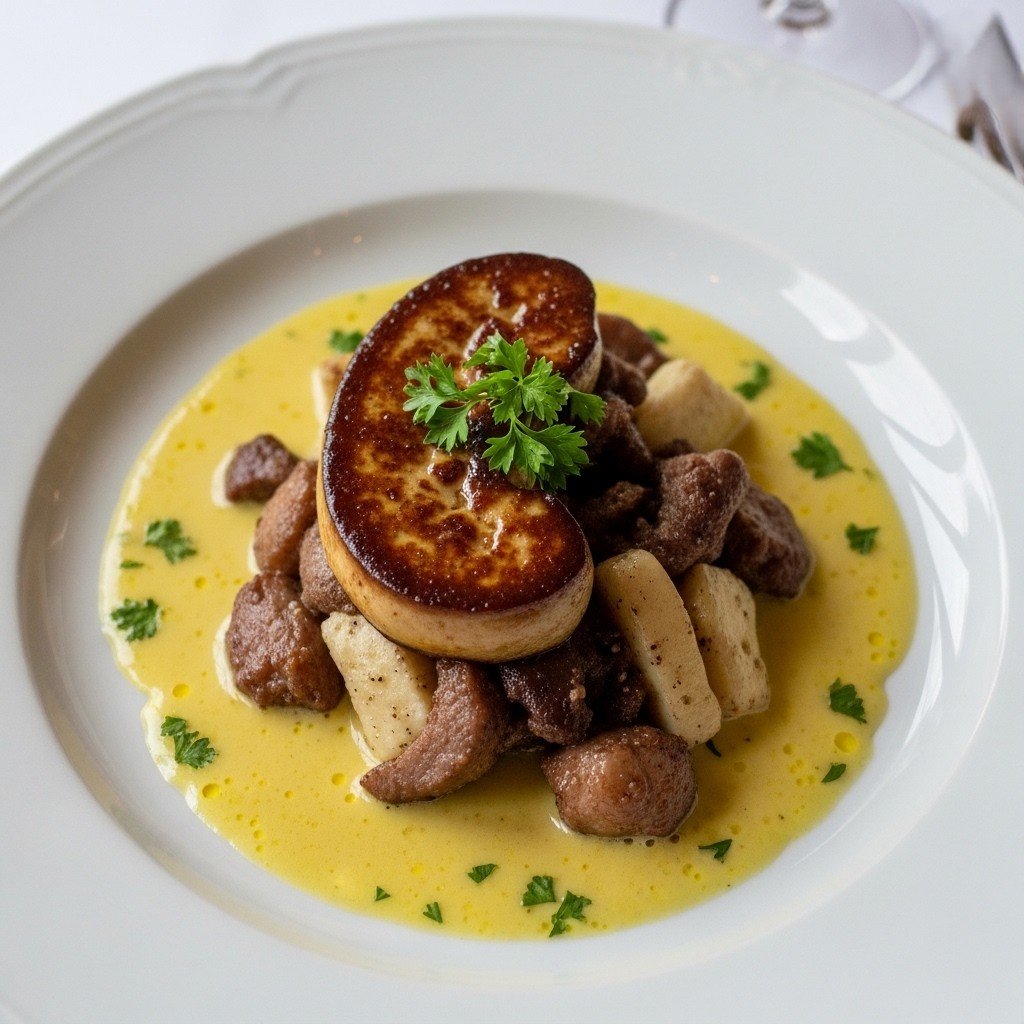
Foie gras is celebrated in French cuisine for its buttery texture and rich depth, yet its production has drawn intense criticism because it involves force feeding ducks or geese to enlarge their livers. Tasting it in France felt like stepping into a moral crossroads where culinary artistry and animal welfare concerns collided in a way that made every bite feel complicated.
Shark Fin Soup and Conservation Concerns

Shark fin soup has long symbolized prestige in parts of East Asia, often served at significant celebrations as a gesture of honor and respect. However, the global outcry over shark finning and declining shark populations has turned this once respected dish into a flashpoint for environmental activism and sustainability debates.
Casu Marzu and the Question of Safety

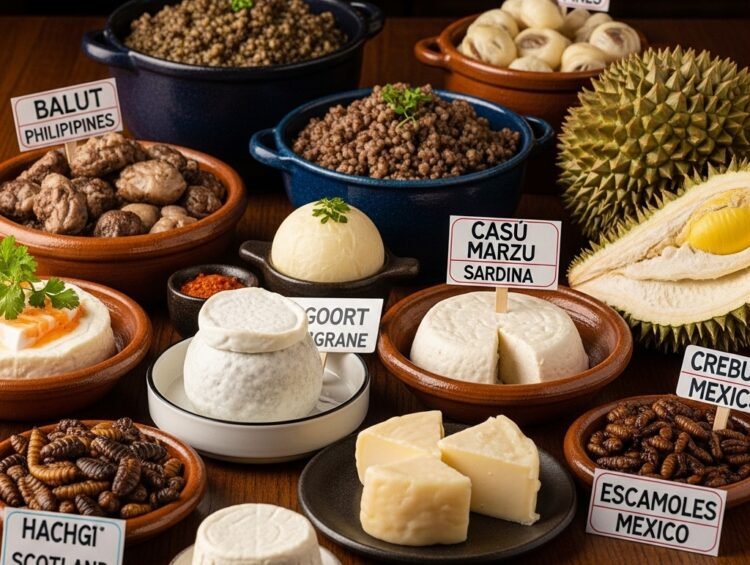
Casu marzu, a traditional Sardinian cheese, contains live insect larvae intentionally introduced to ferment the product beyond typical aging. While locals regard it as a delicacy with deep cultural roots, many outsiders see it as unsafe or unsettling, leading to legal restrictions and ongoing arguments about food regulations versus tradition.
Balut and Cultural Identity
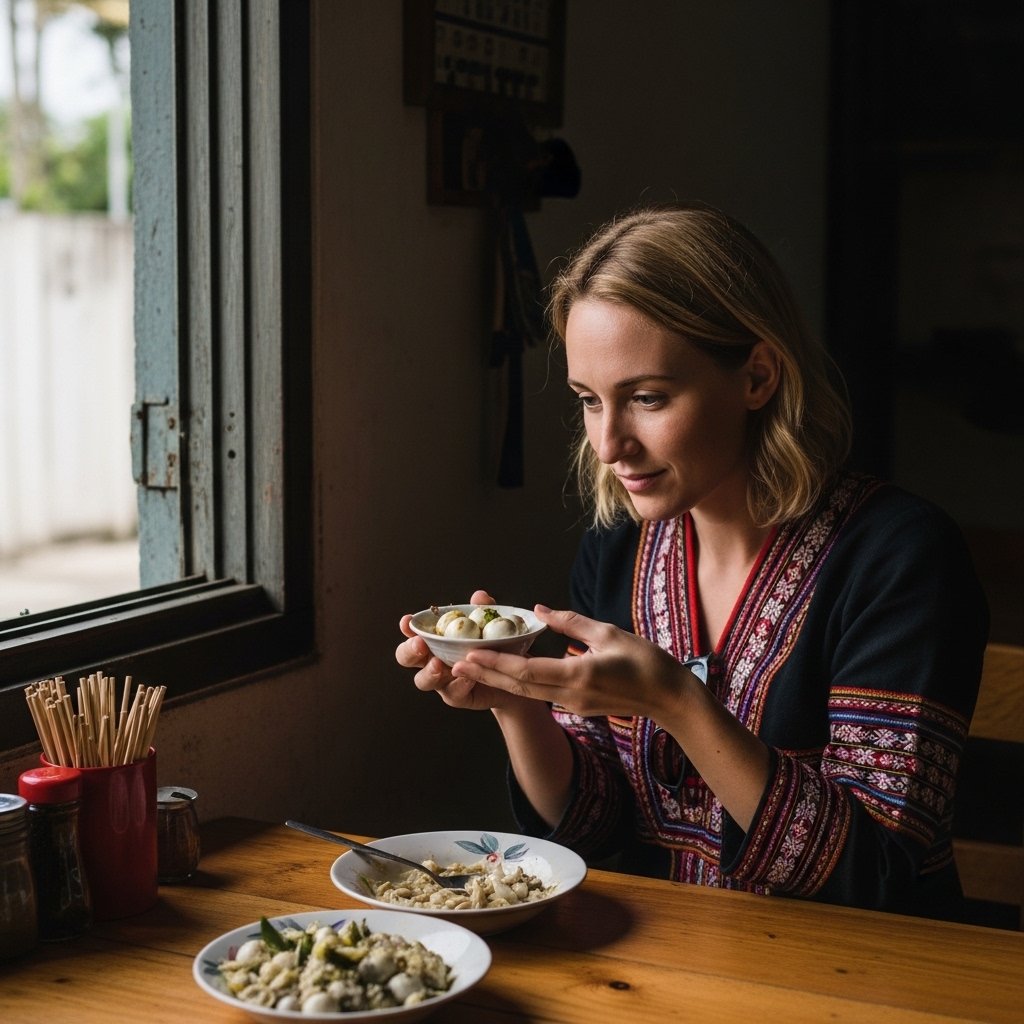
Balut, a fertilized duck egg that is incubated before cooking, is widely enjoyed in the Philippines as a nourishing street food. For first time visitors unfamiliar with its appearance and texture, the experience can be jarring, yet it stands as a powerful reminder that food preferences are shaped by upbringing and heritage.
Hákarl and the Power of Fermentation

Hákarl is fermented shark from Iceland that undergoes months of curing to remove toxins and develop its distinctive character. The strong aroma and intense flavor often shock newcomers, but Icelanders proudly embrace it as a survival food rooted in centuries of adaptation to a harsh climate.
Blood Sausage and Culinary Tradition

Blood sausage appears in various forms across Europe, Asia, and the Americas, using animal blood combined with grains or spices to create a hearty dish. Despite its long history and resourceful origins, the idea of consuming blood continues to provoke discomfort among those unfamiliar with nose to tail cooking.
Escamoles and Insect Cuisine

Escamoles, sometimes called ant larvae caviar, are harvested from agave plants in Mexico and prepared in savory dishes. Although insects are a sustainable protein source consumed worldwide, cultural bias in the United States often labels them as unusual or unappetizing, revealing how perception shapes acceptance.
Sannakji and Freshness at Its Extreme

Sannakji consists of freshly prepared octopus served immediately after cutting, with the tentacles still moving due to nerve activity. Advocates value its texture and purity, yet critics question both the ethics and the safety concerns associated with eating seafood in such a raw and immediate state.
Horse Meat and Cultural Boundaries

Horse meat is enjoyed in several countries and is often praised for being lean and flavorful, but it remains taboo in others where horses are seen primarily as companions or working animals. This divide illustrates how emotional attachment can influence dietary norms more strongly than taste or nutrition.
Fugu and the Risk Factor

Fugu, a Japanese pufferfish, contains a potentially lethal toxin that can only be removed by licensed and specially trained chefs. The thrill surrounding its preparation and strict regulation has elevated it to iconic status, yet the inherent risk ensures it will always remain one of the most debated foods in the world.