 Abigail Jackson
 Luxury restaurants tend to offer a memorable experience via innovation, handicraft and choice of ingredients. When entering fancy restaurants, many guests have the expectation of coming across some amazing flavor that is worth paying more money and a lengthy queue. But not all the dishes that are being celebrated can be considered to be as good as the name is. Certain fine dining cuisine foods are trendy, presented or exclusive and not based on actual taste and the customer will be left questioning whether the meal was actually worth the advertisement and the price.
Gold-Plated Steak Which Puts Form over Content
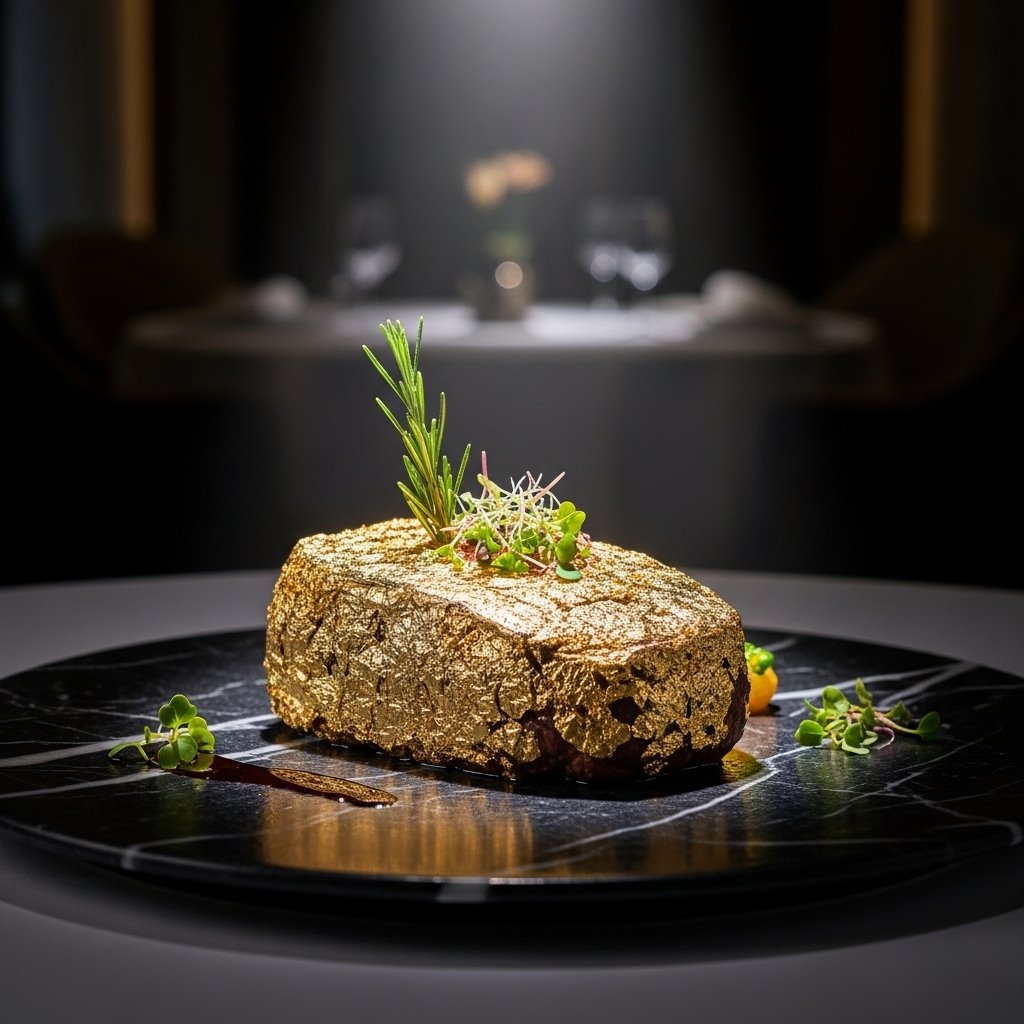
The concept of gold-covered steak has gained popularity as a symbol of luxury to eat out within the past few years and is often advertised with the use of dramatic display and the use of social media to market it. Edible gold is very pretty on the plate, but there is no taste in it, and it contributes nothing to the flavor of the meat. It is something that many diners have found to be a distraction as well in the quality of the steak itself since the visual presentation of the meal distracts them to the point of making it more of a show than actually a good meal.
Oversized Gourmet Burgers That Fall Over
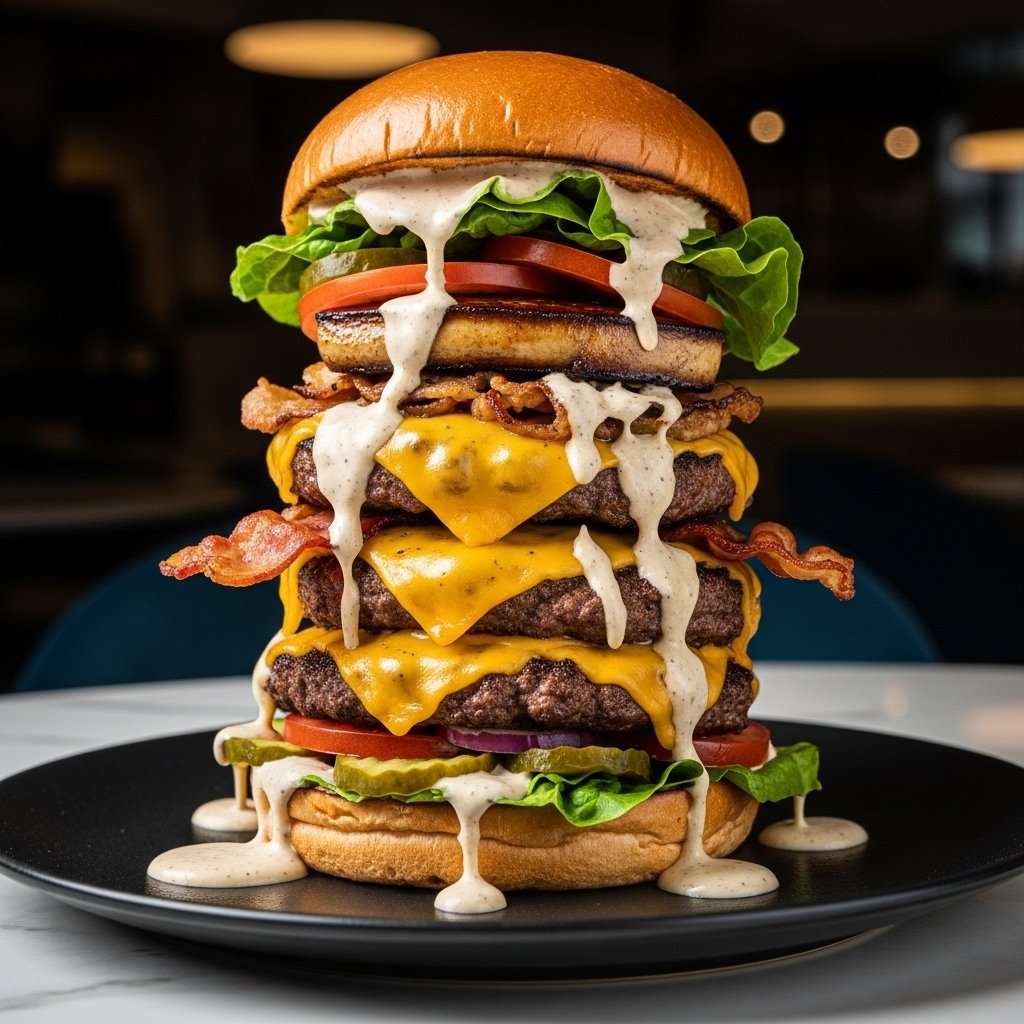
Some fancy restaurants strive to improve the traditional burger by piling it with a variety of high quality products and fancy toppings. On the one hand, the concept might be enticing, but these giant-sized products tend to lose the balance to render a burger appealing. The competing flavors are too many to complement each other and when this happens the result is a messy and overpowering meal to eaters instead of a fined version of an old favorite.
Truffled Pasta, which subdues the Plate
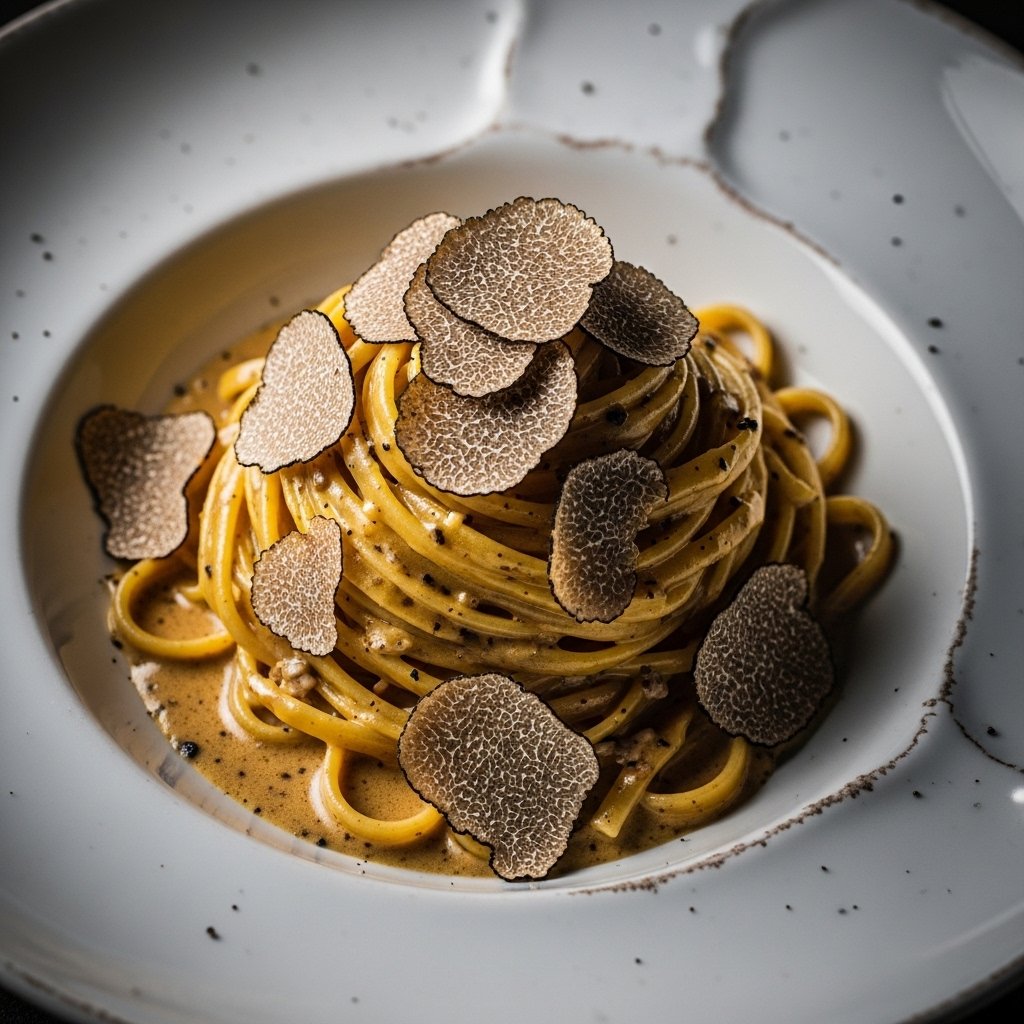
Truffles are valued in the fine dining due to their intense aroma and its rarity but it has also contributed to excessive use in most restaurant foods due to popularity. The pasta containing truffle and being highly dependent on this taste can be unbearable, as it hides the taste of the food behind it. Rather than adding flavor to the dish, the extreme intensity of the flavor is overwhelming the dish to the point where what is supposed to be a well-rounded meal is now one-dimensional.
Small Servings that Are More about Style than Satisfaction
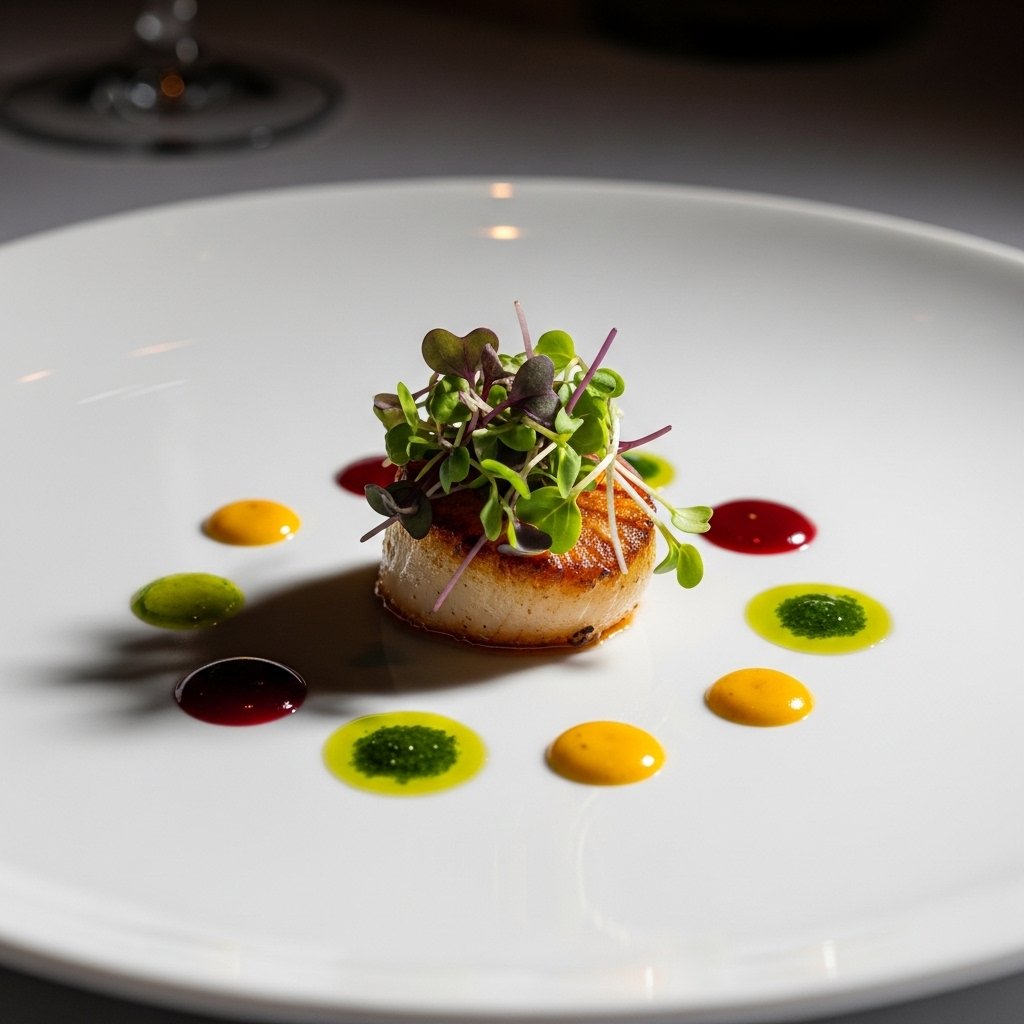
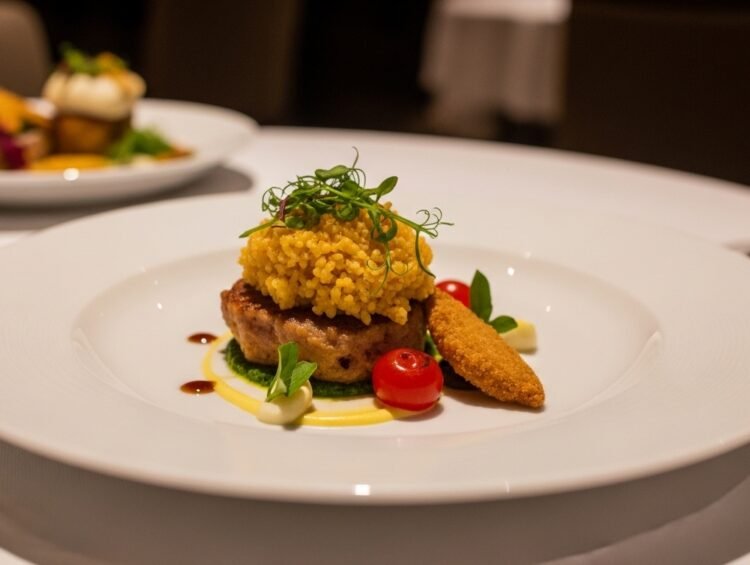
Fancy restaurants also tend to put on the menu foods that are beautiful to the eye yet very small in size. Although proper plate setting and garnishing may give a meal that needed more style than substance, sometimes a meal may leave a person with the impression that all a restaurant has done is to demonstrate flashiness over offering a good meal. When the serving is too small that you do not get to appreciate the ingredients, the experience may not be wholesome even with the amazing appearance.
Destroyed Classics That Perplex the Original Concept
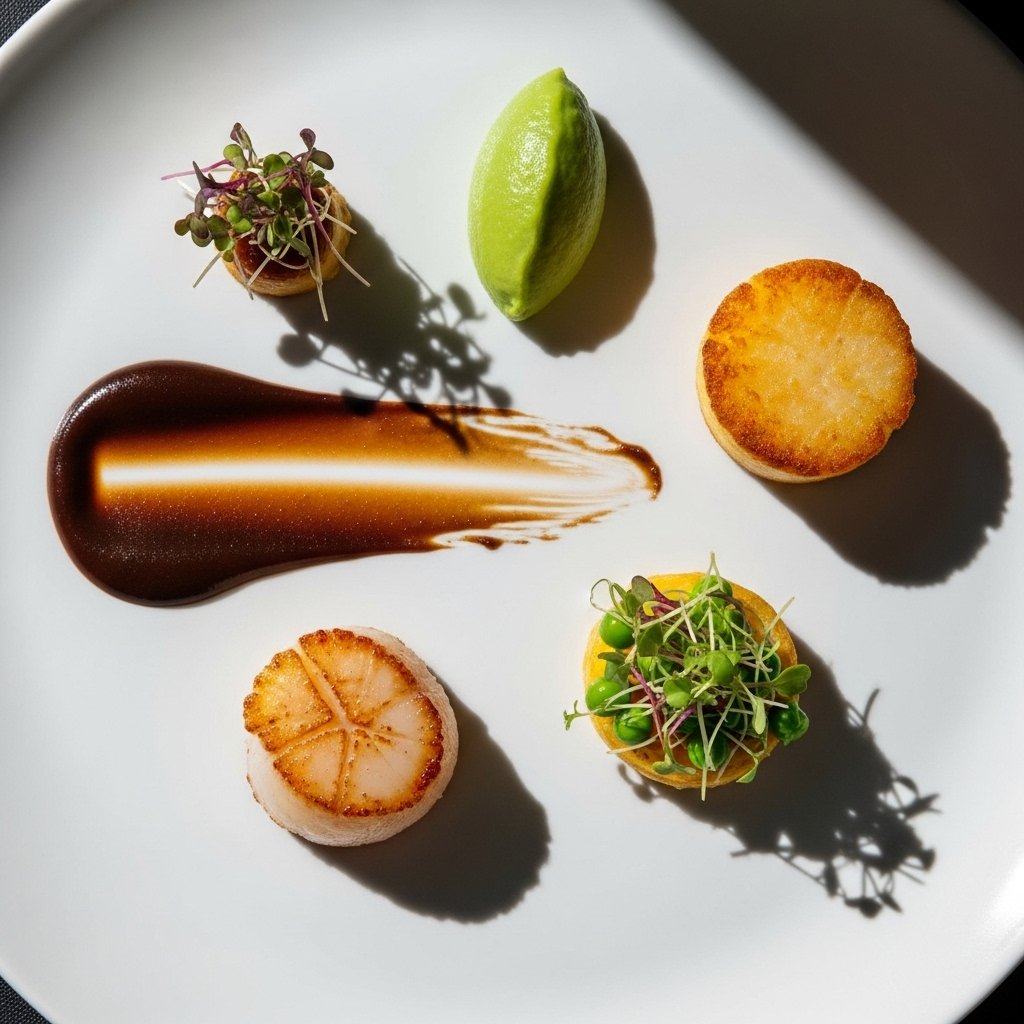
Dish deconstruction is a modern style of cooking since common food is divided into recognizable parts and placed on the plate in a creative manner. Though the idea may display the culinary mastery, it may at times take away the harmony that originally made the original dish to be so good. Diners who are used to enjoying a familiar recipe might have problems with a rendition that is more reminiscent of an experiment than a familiar meal.
Foamed Sauces That Substitute Rich Traditional Flavours
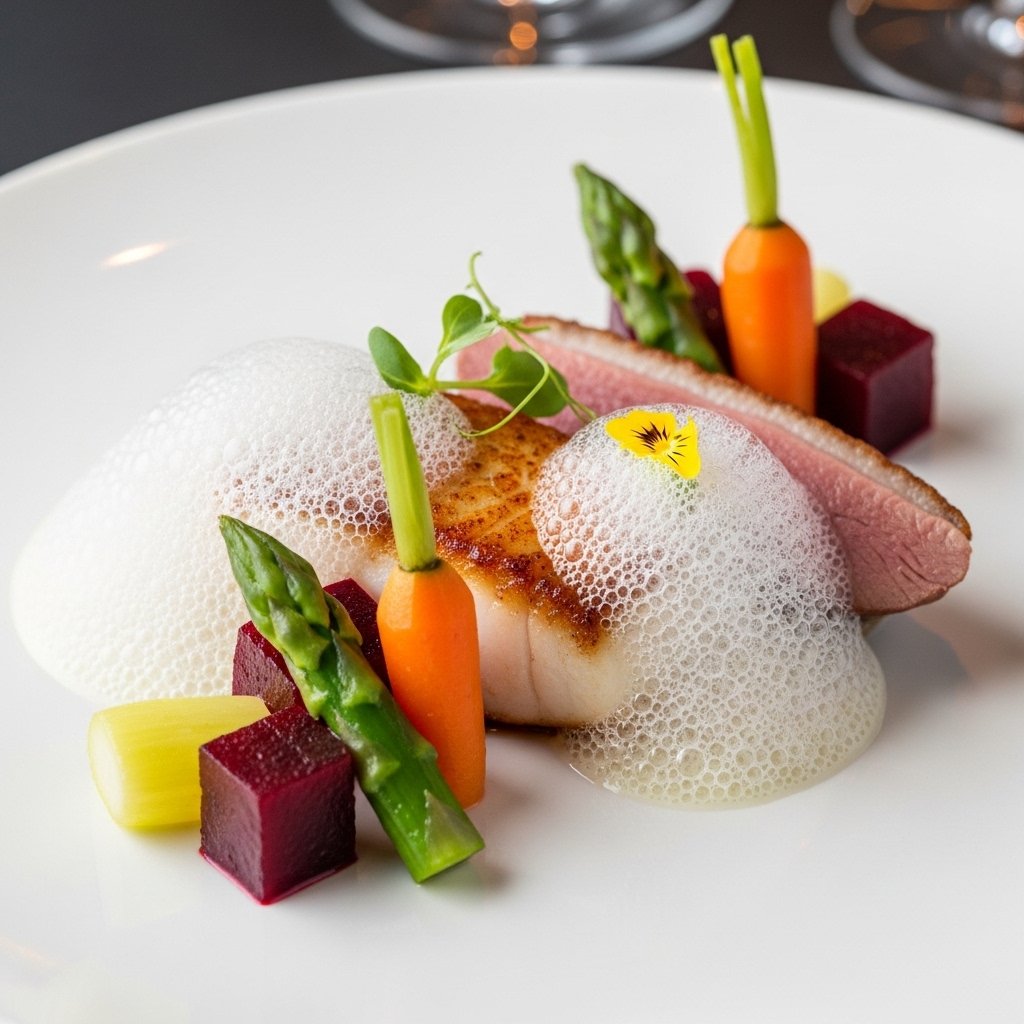
In contemporary gastronomy, foam based sauces are commonly employed to add a light and airy mouth feel that appears innovative on the plate. Nevertheless, most customers are disappointed to note that such airy toppings are not as dense and rich as usual sauces. Rather than making the meal better, the foam may seem like an aesthetical feature that goes away easily and the meal loses the flavor it promised to have.
Some salads contain excessive and needless ingredients
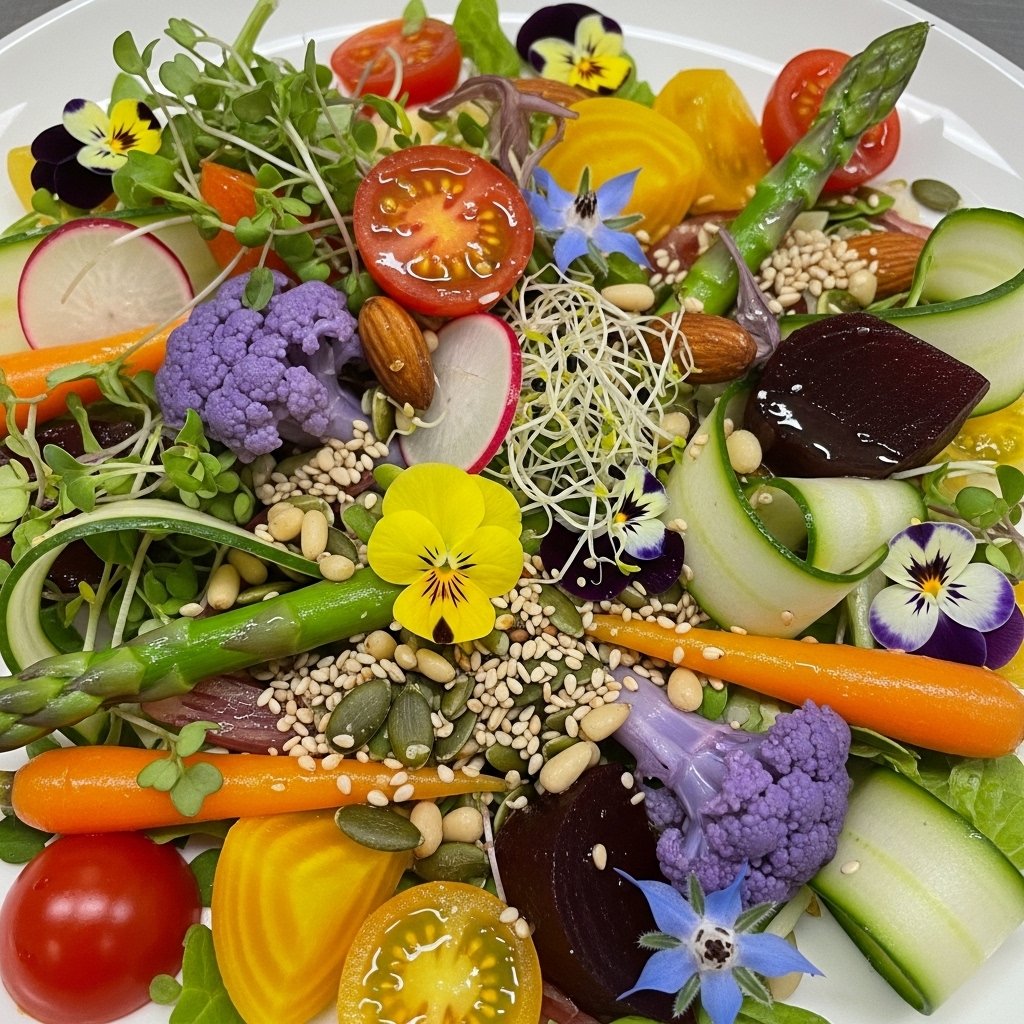
Arguably a properly made salad may be healthy and tasty, however, when it is a fine dining one may turn complicated with a long list of ingredients. As many elements as possible are placed on the plate, it may lose its clarity and balance. Diners cannot recognize the primary flavor, which makes what would have been a fresh and balanced meal a mixture of textures and flavors.
Exotic Ingredients, which are used primarily for prestige
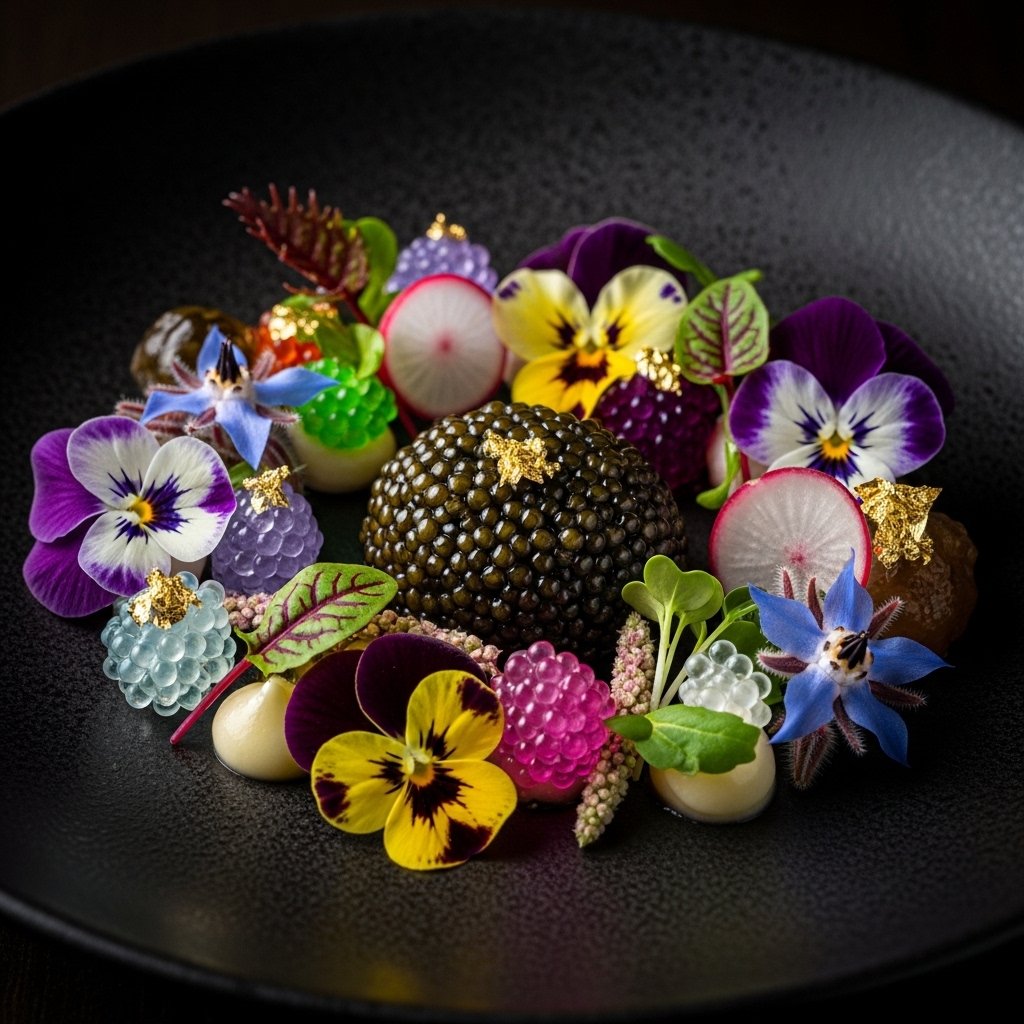
Other luxury restaurants emphasize the use of rare or exotic ingredients because it helps generate exclusivity and make the restaurant noticeable. Although special ingredients might boost a menu, they need not necessarily make the dish better. In other instances, the ingredient is added due to its name rather than being able to add flavor to the food and one of the questions the diners ask themselves is whether the prestige was worth the money.
Richly Decorated Desserts At the Cost of Taste

Most desserts at fancy restaurants tend to be quite artistic, with the plate appearing rich in color and complicated designs. Although they may be aesthetically impressive, other times, these creations put more emphasis on beauty than taste. When the dessert is presented as spectacular and it does not taste as comfortable or as rich as people would like it to be, it is going to be disappointing instead of memorable.