
 Abigail Jackson
 Fast food has long been a go-to option for affordable, convenient meals across the United States. Recently, however, many customers have noticed that their usual combo meals cost more than they did just a year ago. As prices rise in major chains nationwide, budget-conscious diners are searching for locations and strategies where fast food remains reasonably priced without sacrificing value or convenience.
Why Fast Food Prices Are Rising Across the Country
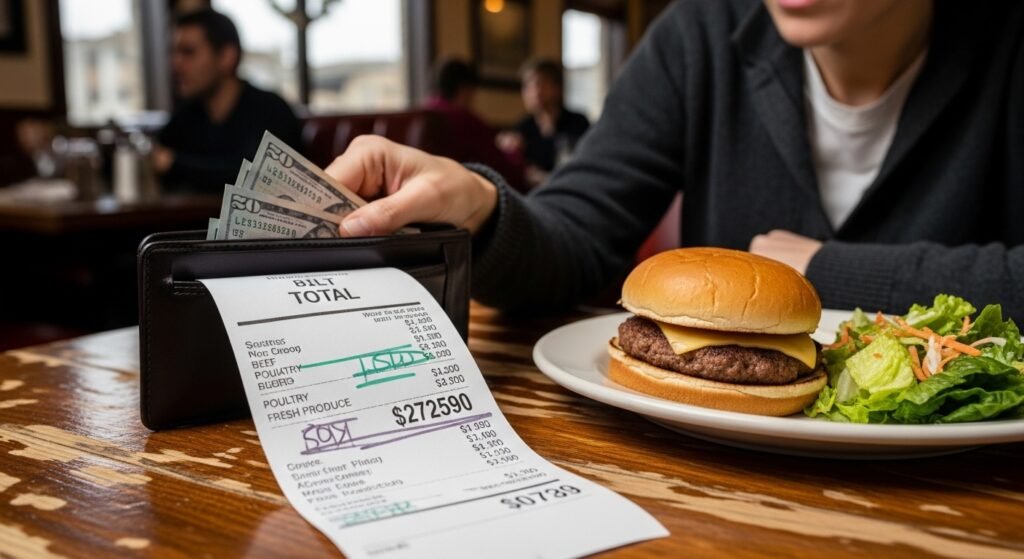
Rising labor costs, higher food supply expenses, and increased transportation fees have pushed operating costs up for national chains, which in turn have passed some of those increases on to customers. Inflation has also affected ingredients such as beef, poultry, and produce, making it more expensive for restaurants to maintain previous pricing levels.
Urban Centers Are Seeing the Sharpest Increases
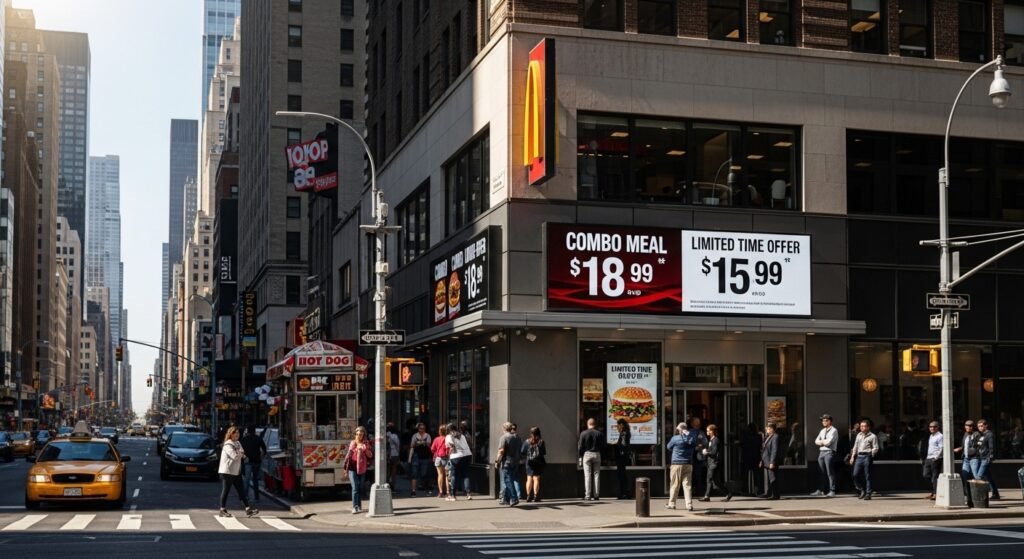
Large metropolitan areas like New York City and Los Angeles are experiencing some of the steepest menu hikes due to higher rent and wage requirements. Franchise operators in these cities often face greater overhead costs, which typically translate into higher prices for combo meals and limited-time offers.
The Midwest Still Offers Noticeably Lower Menu Prices
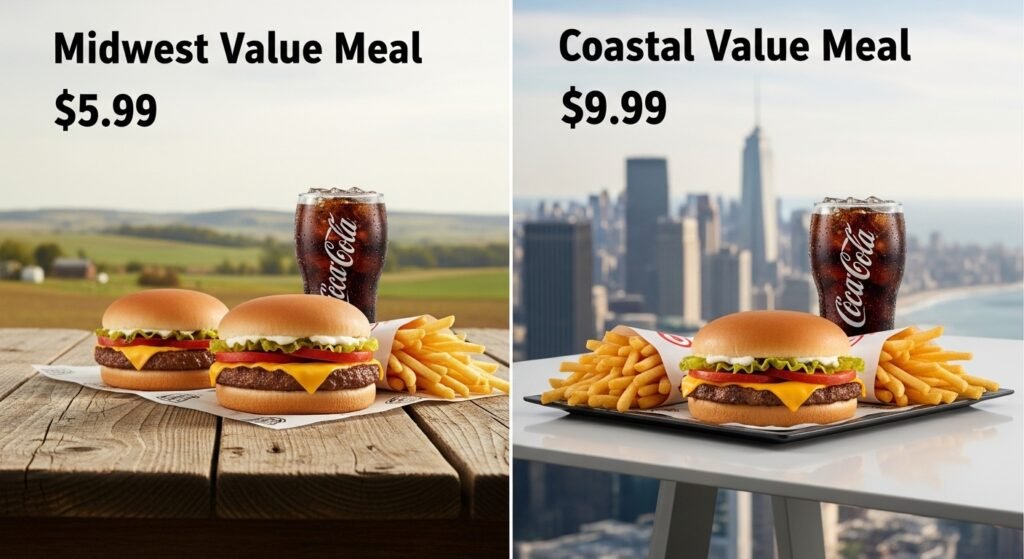
States throughout the Midwest, including Ohio and Indiana, tend to maintain lower average fast food prices compared to coastal regions. Lower commercial rent, moderate wage standards, and reduced distribution costs help keep value meals more affordable in these areas.
Southern States Continue to Deliver Budget-Friendly Options
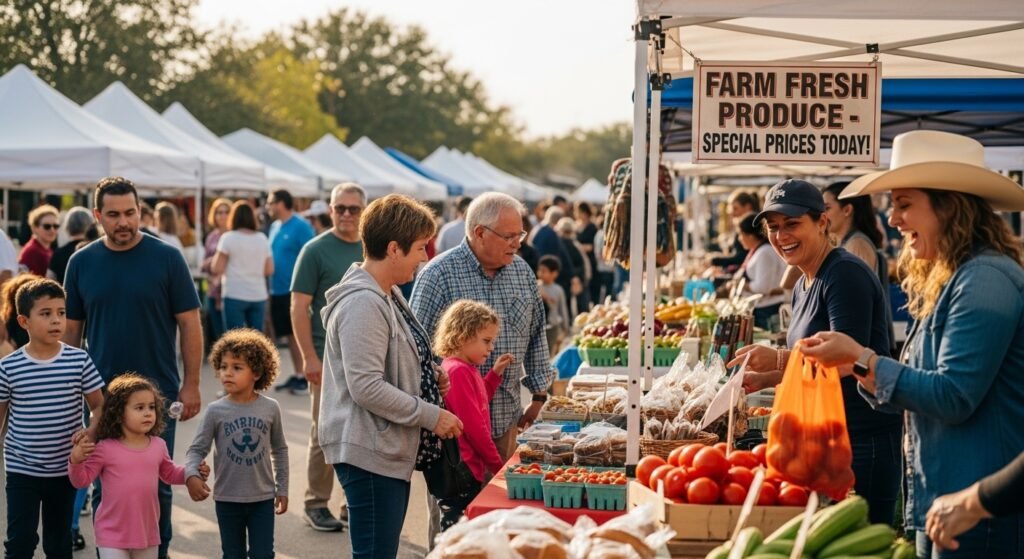
Many Southern markets, such as Texas and Alabama still offer competitive pricing, especially in suburban and rural communities. Consumers in these states often find that everyday menu items cost less than in densely populated urban corridors.
Smaller Cities Often Provide Better Everyday Value
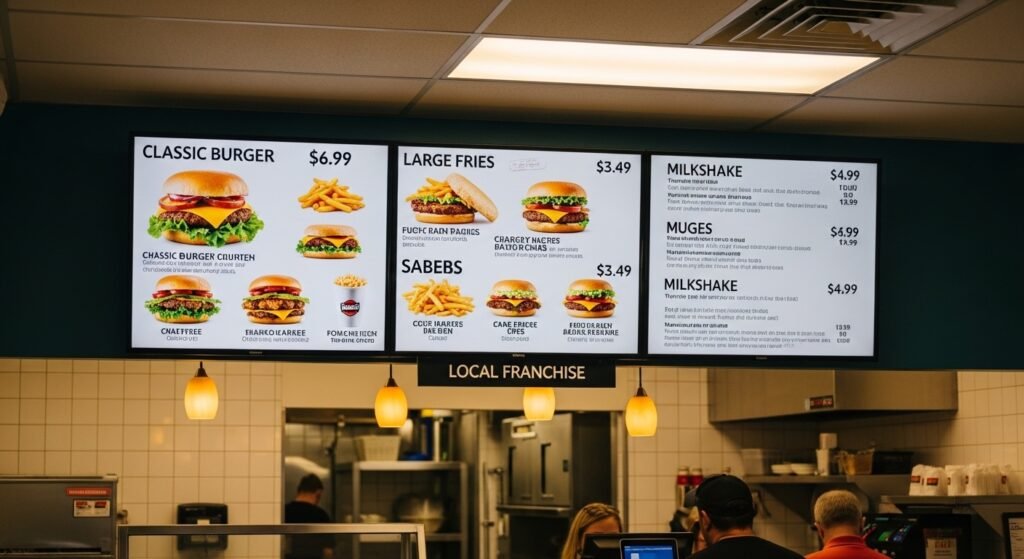
Mid sized cities like Tulsa and Des Moines frequently maintain more stable pricing structures than larger urban hubs. With lower overhead and less pressure from high commercial rents, local franchise locations can offer lower base prices on staple menu items.
Value Menus Remain a Key Source of Savings
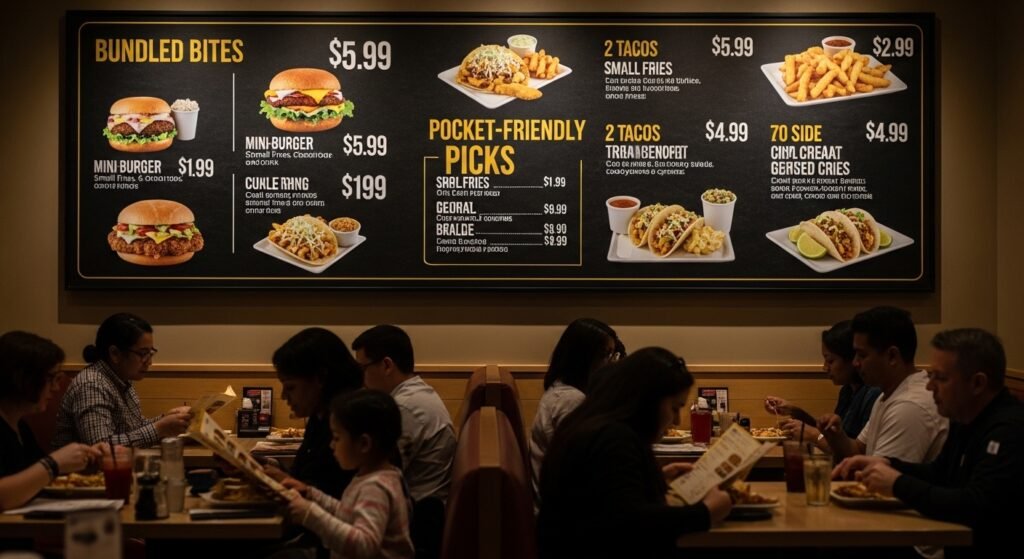
Even as base prices increase, many chains continue to promote value menus designed to keep at least some options within reach for cost-conscious customers. Limited price tiers and bundled items allow diners to build a filling meal without paying premium combo prices.
Digital Deals Can Offset Recent Price Jumps

Mobile apps and loyalty programs have become essential tools for customers hoping to counteract higher menu costs. Digital coupons and reward points often provide discounts that effectively bring prices back down to levels seen before recent increases.
Regional Chains Sometimes Undercut National Brands
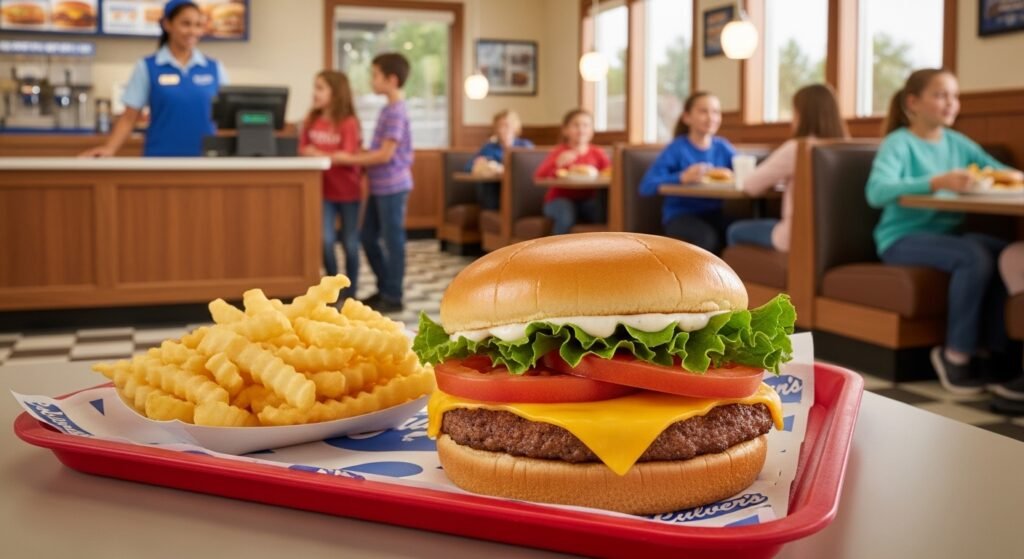
While national giants dominate headlines, regional operators often maintain slightly lower pricing to stay competitive in their home markets. Chains such as Cook Out in the Southeast or Culver’s in the Midwest are frequently cited by customers as offering strong value relative to portion size.
Competition Between Chains Keeps Certain Markets Affordable
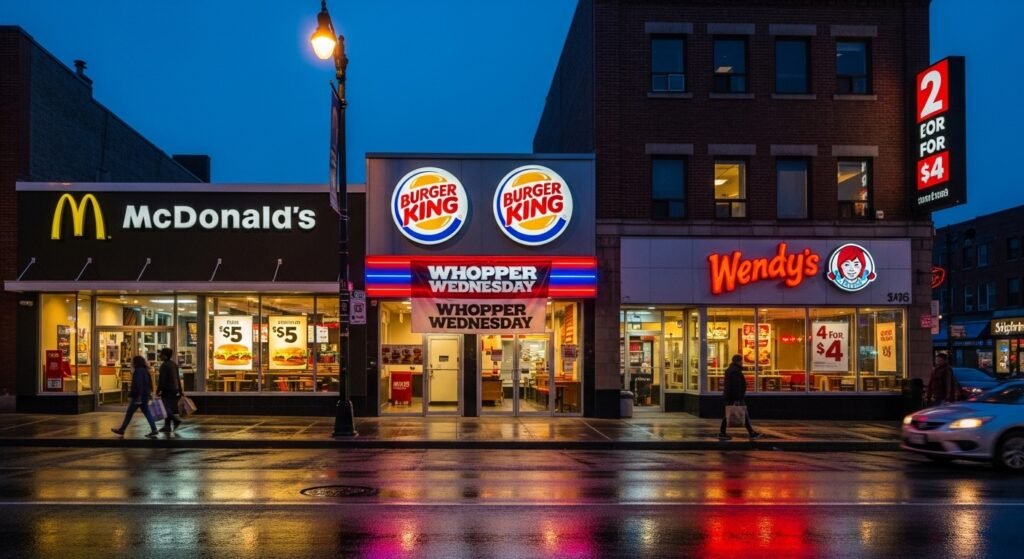
In areas where multiple major brands operate within close proximity, aggressive competition can help stabilize prices. Neighborhoods filled with outlets from McDonald’s, Burger King, and Wendy’s often see promotional pricing aimed at attracting budget-minded consumers.
Rural Locations Sometimes Maintain Lower Base Prices
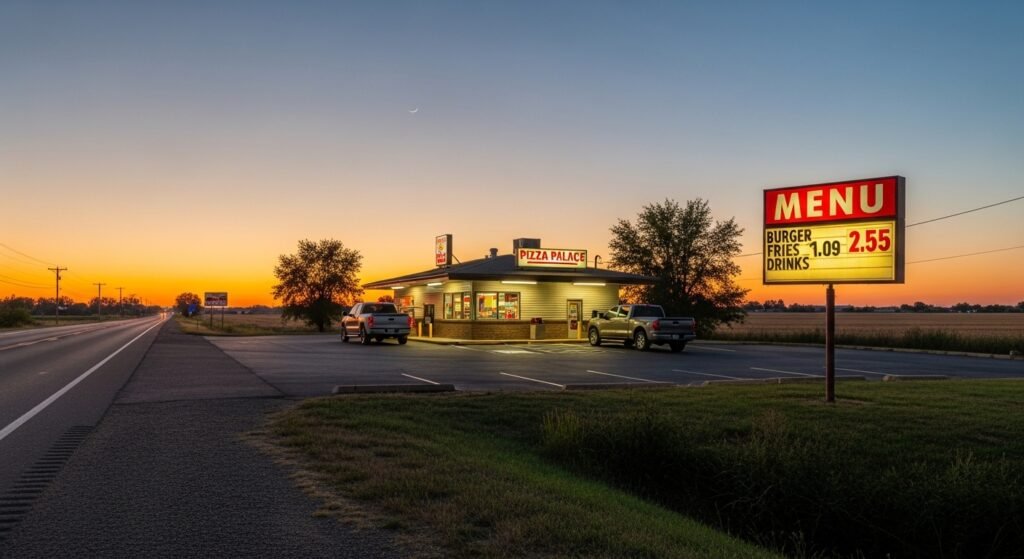
Rural franchise locations may benefit from lower property costs and less intense wage pressures, which can translate into modest menu pricing. Although selection may be smaller, everyday items often remain cheaper than in high-traffic city centers.
College Towns Frequently Feature Student-Focused Deals
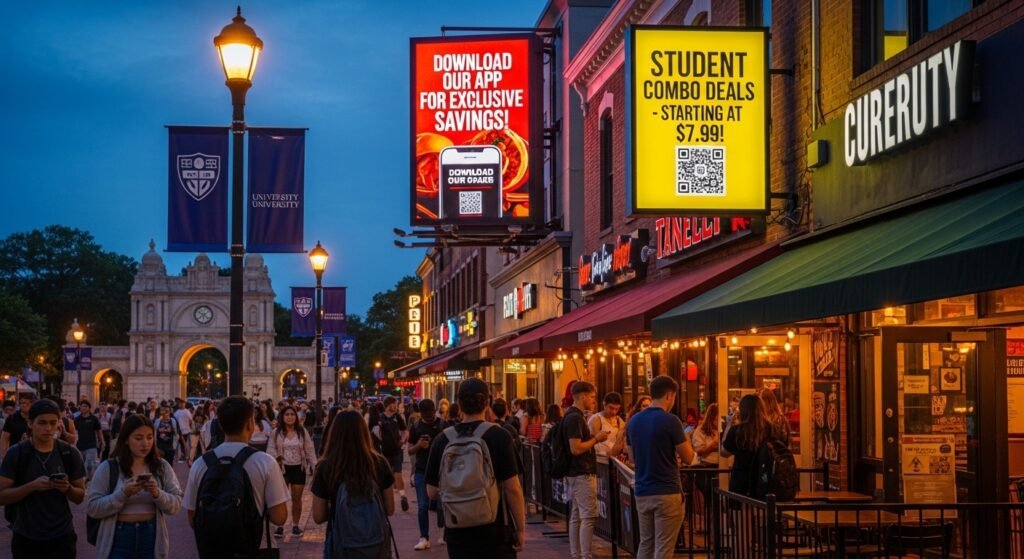
Communities centered around universities often encourage price competition, particularly during the academic year when students are looking for inexpensive meals. Restaurants in towns near large campuses regularly promote discounted bundles and app-based savings to capture that market.