 Abigail Jackson
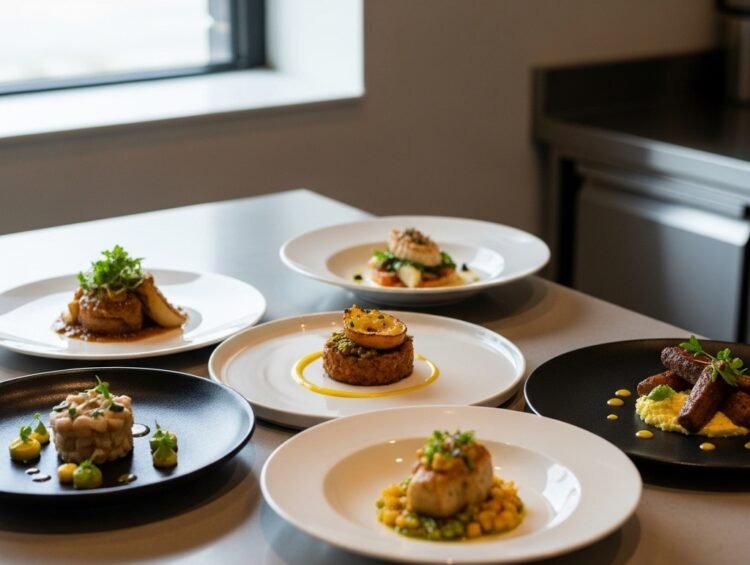
 The culinary world is already offering a glimpse of what 2026 will taste like, and the signals coming from restaurant kitchens are both exciting and thoughtful. Chefs are leaning into bold global inspiration, sustainable sourcing, and inventive techniques that elevate comfort foods into refined experiences, creating a landscape where flavor, ethics, and creativity intersect in ways that feel fresh yet deeply rooted.
Hyper-Regional Global Cuisine
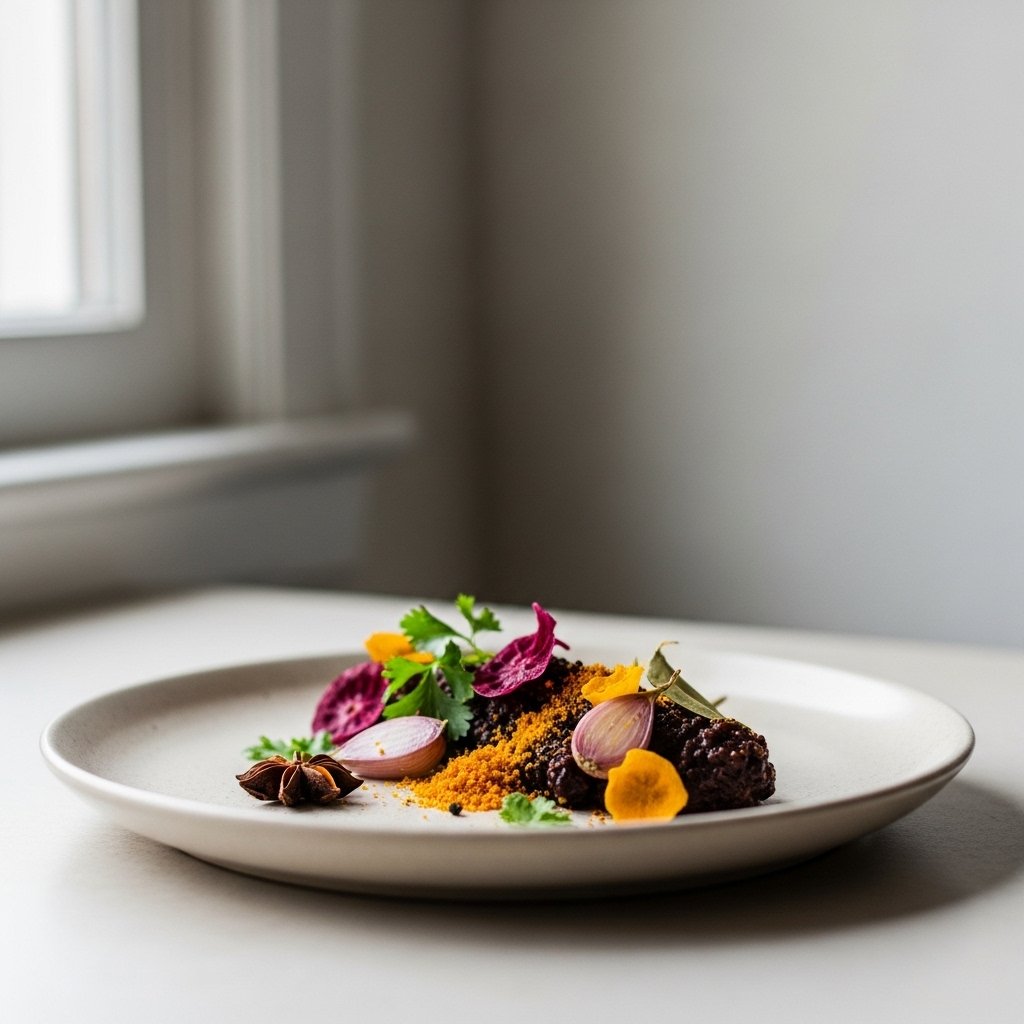
Chefs are moving beyond broad labels like Asian or Mediterranean and focusing on hyper-regional specialties that celebrate specific provinces, villages, and culinary traditions. This deeper exploration of place allows diners to experience authentic spice blends, heirloom ingredients, and time-honored cooking methods that were once known only within local communities.
Fermentation as a Flavor Foundation
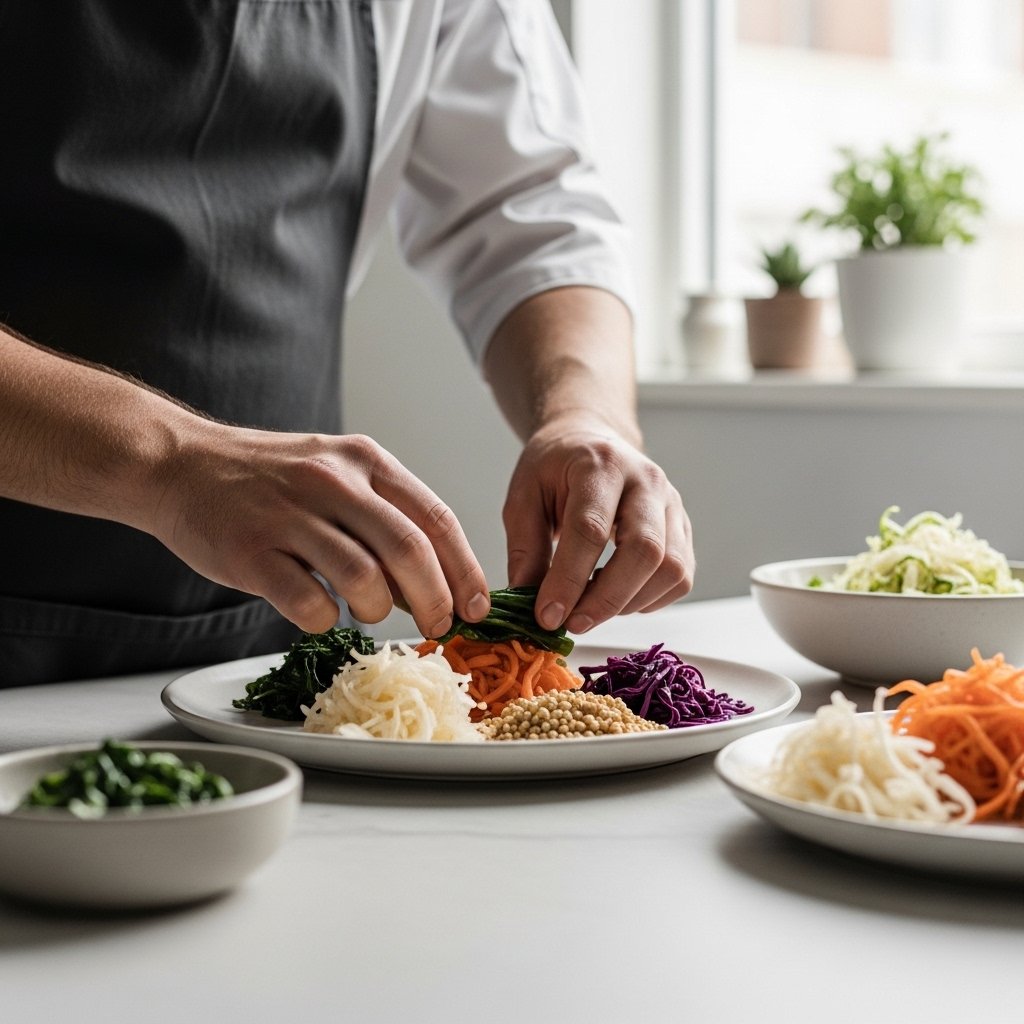
Fermentation continues to gain traction as chefs experiment with house-made miso, koji, kimchi, and aged sauces to build complex layers of umami and acidity. Rather than being used sparingly, fermented elements are becoming central to dishes, adding depth and character that transform even simple vegetables and grains into memorable plates.
Elevated Comfort Foods
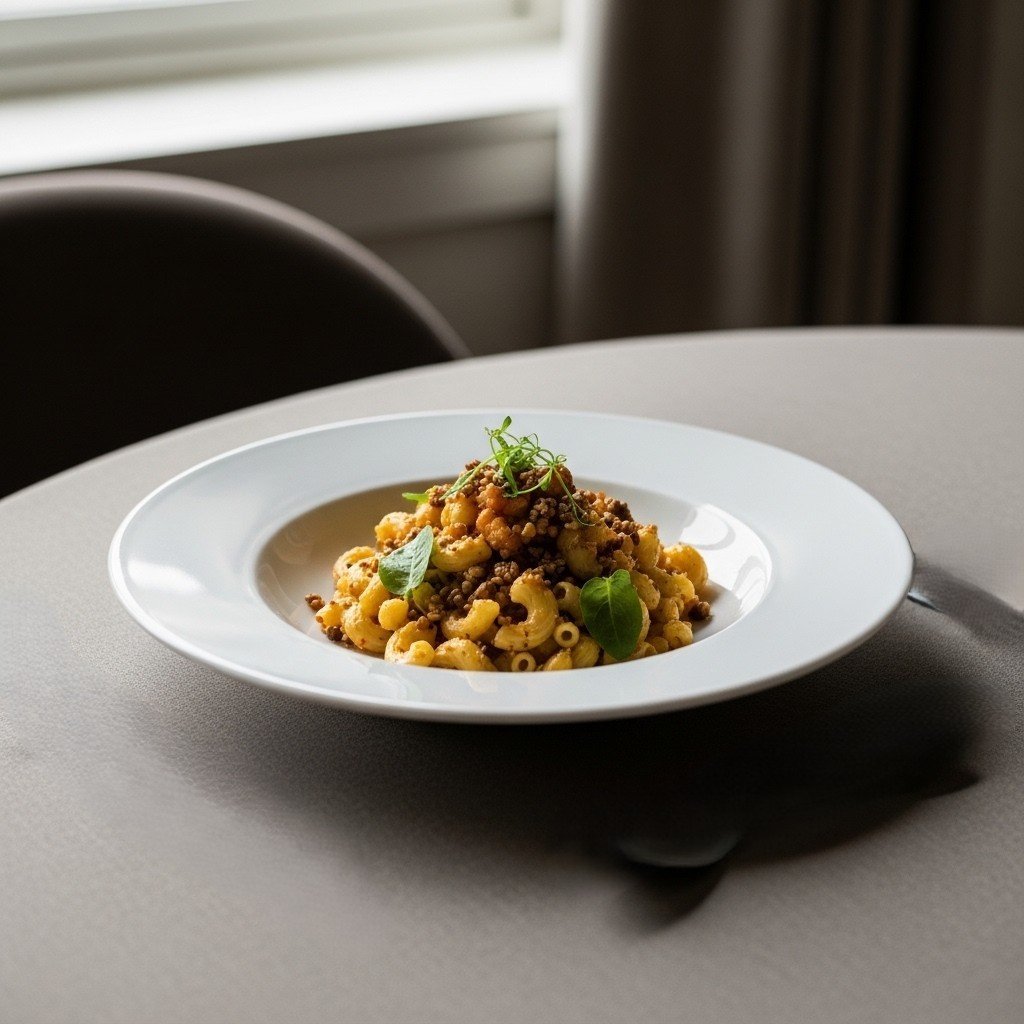
Classic comfort dishes are being reimagined with premium ingredients and refined techniques, allowing nostalgia to meet innovation in surprising ways. From carefully sourced heritage grains in mac and cheese to slow-braised meats finished with delicate garnishes, chefs are proving that familiarity can coexist with sophistication.
Plant-Forward Fine Dining
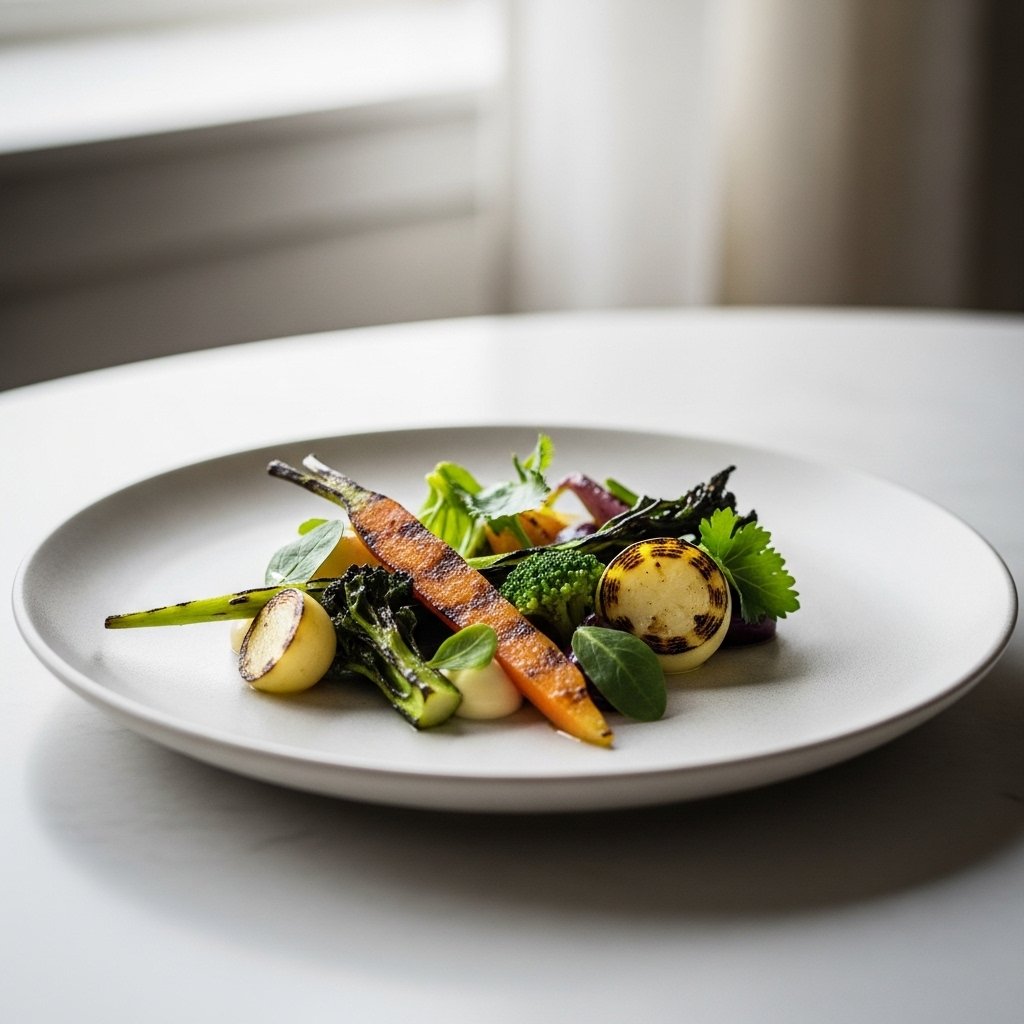
Vegetables are stepping into the spotlight as the main event rather than a supporting side, driven by both sustainability concerns and evolving consumer preferences. Chefs are showcasing seasonal produce through creative roasting, charring, and layering of textures, making plant-forward dishes visually stunning and deeply satisfying.
Climate-Conscious Cooking
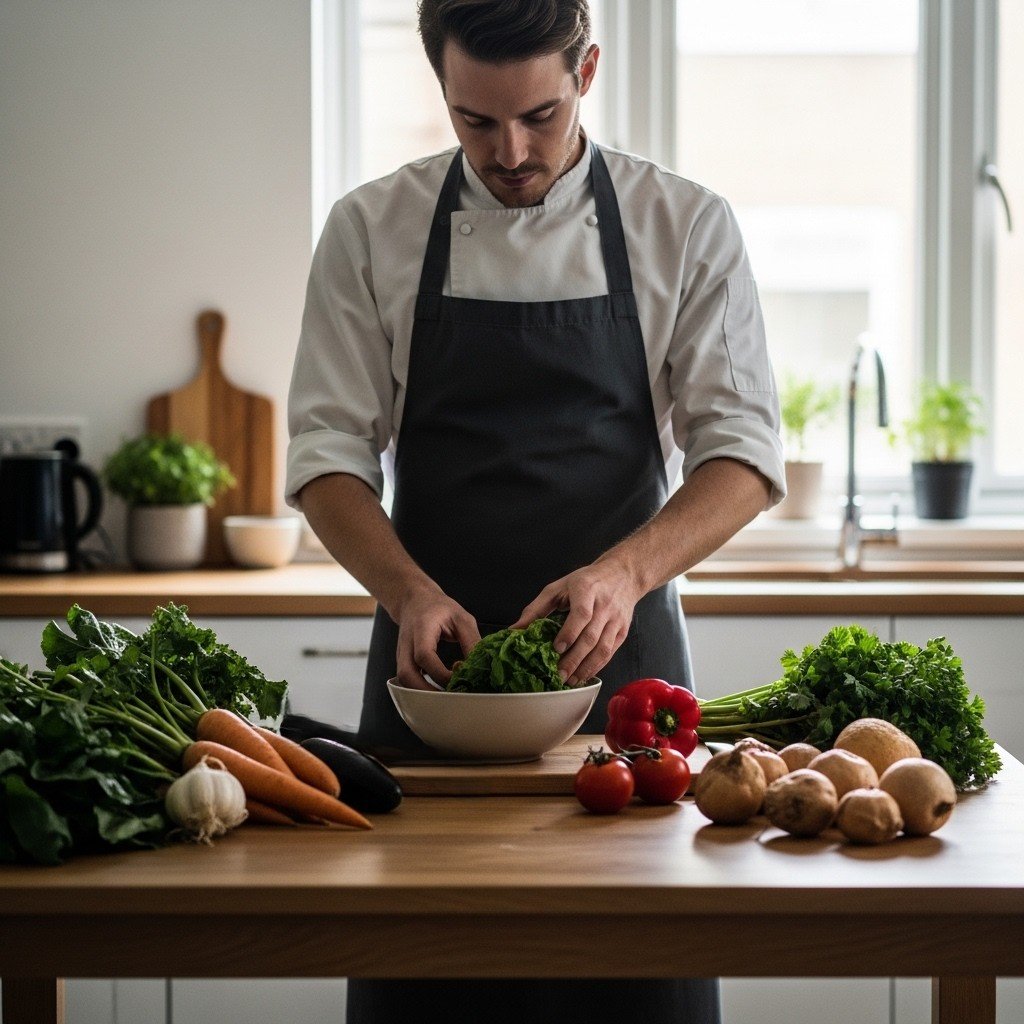
As environmental awareness grows, chefs are designing menus that prioritize regenerative agriculture, low-waste practices, and responsibly sourced ingredients. This approach not only reduces environmental impact but also introduces diners to lesser-known crops and cuts that add diversity and resilience to the food system.
Nostalgic Flavors with a Modern Twist
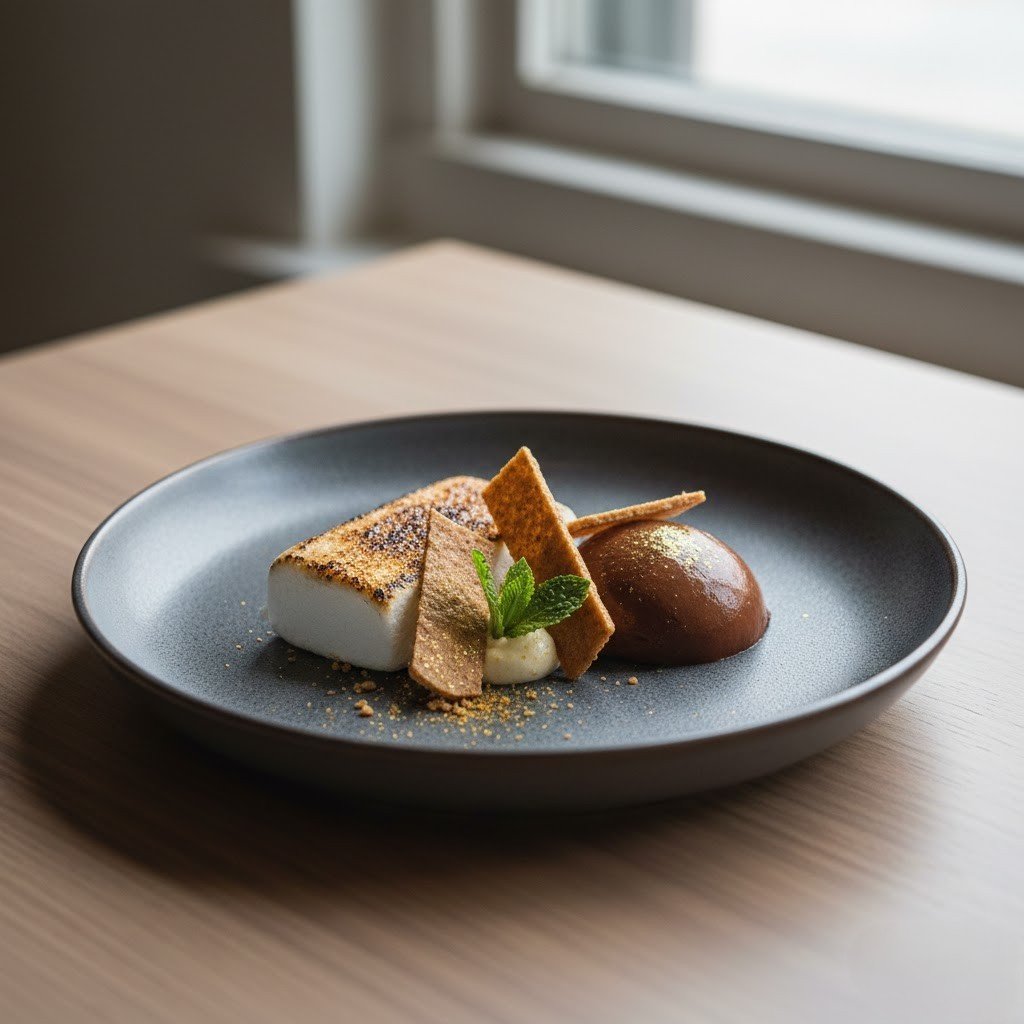
Familiar childhood flavors are being revisited through a contemporary lens, combining memory with culinary craftsmanship. By refining traditional recipes with updated presentations and balanced seasoning, chefs create dishes that feel comforting while delivering a more nuanced flavor profile.
The Rise of Heirloom Grains and Ancient Staples
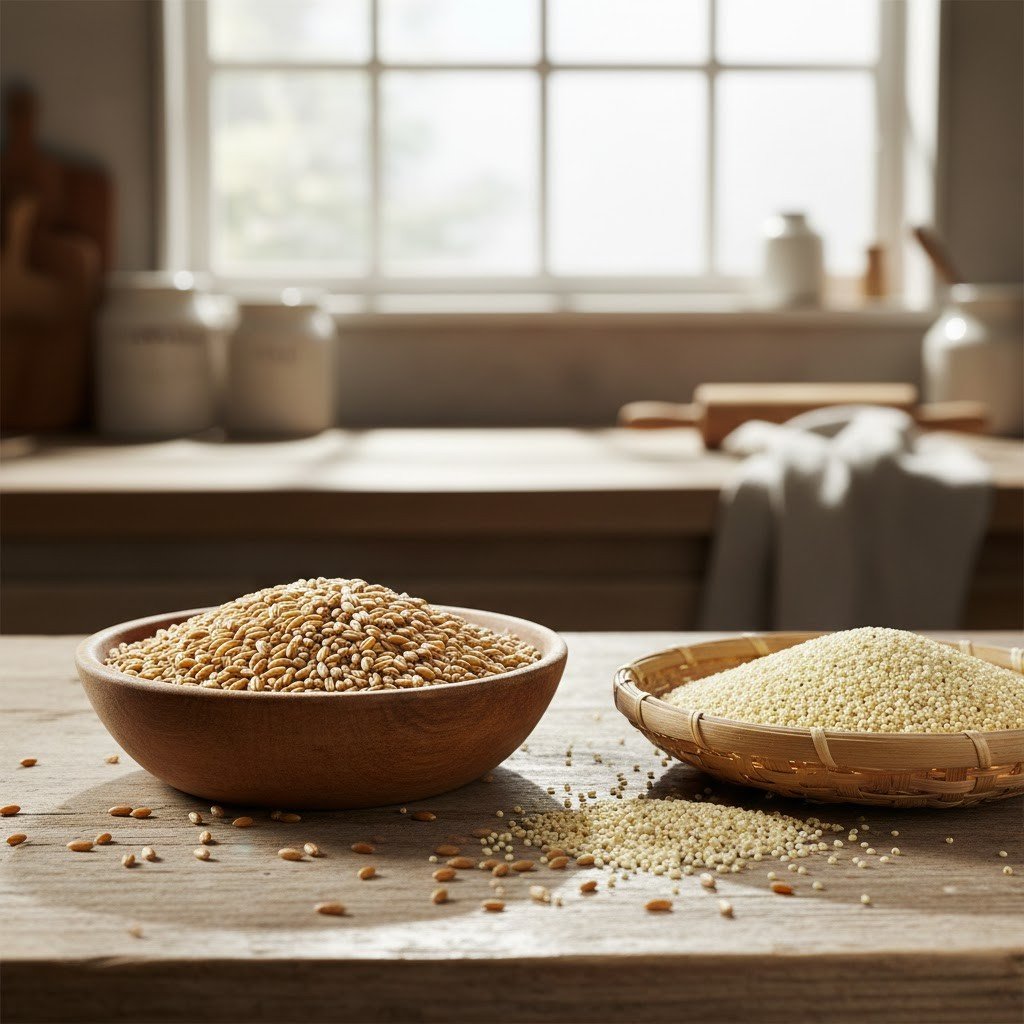
Ancient grains like einkorn, fonio, and millet are appearing more frequently on menus as chefs search for ingredients with history, nutrition, and distinctive taste. These grains offer nutty flavors and varied textures that add depth to salads, breads, and main courses while supporting agricultural biodiversity.
Layered Heat and Global Spice Blends
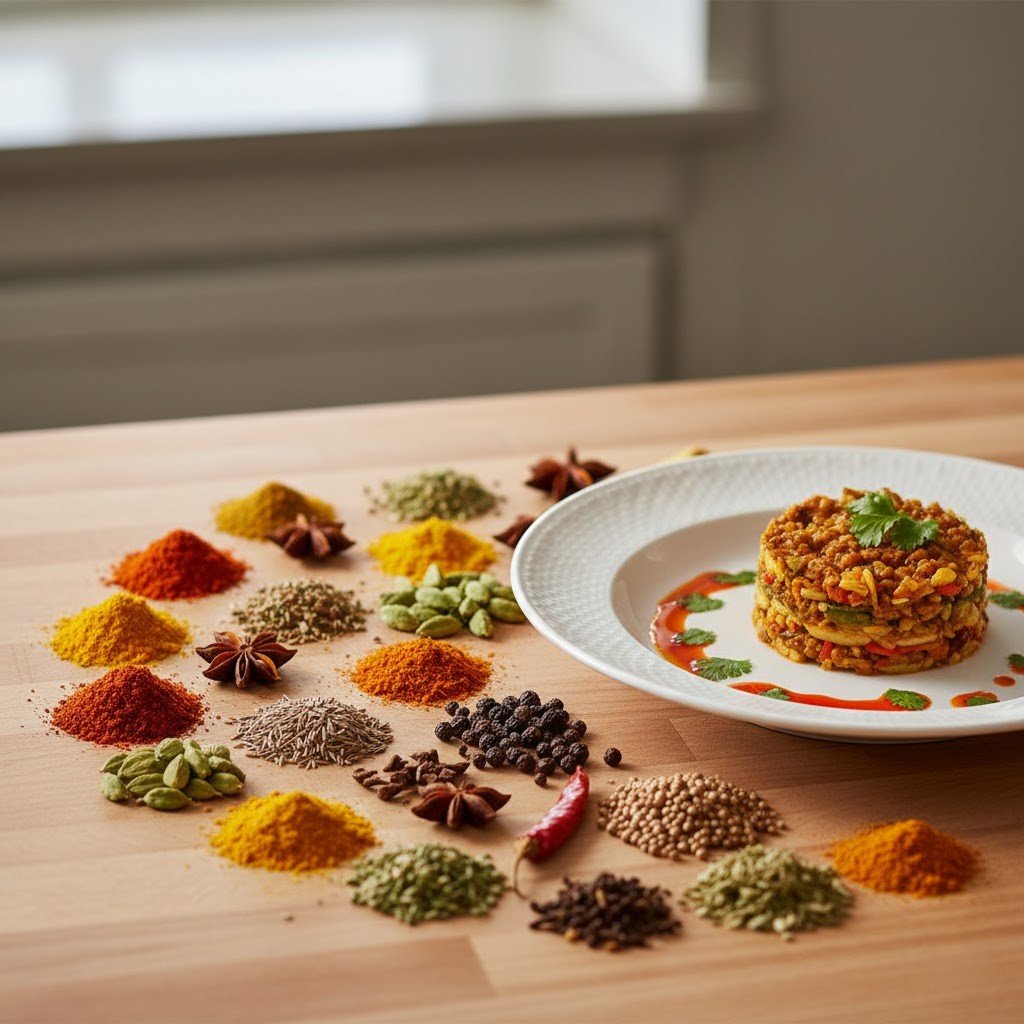
Spice is evolving beyond simple intensity and becoming more about complexity and layering, with chefs drawing inspiration from regions such as Southeast Asia, North Africa, and Latin America. By balancing warmth, sweetness, and aromatic elements, they create dishes that build gradually on the palate rather than overwhelming it.
Textural Contrast as a Culinary Statement
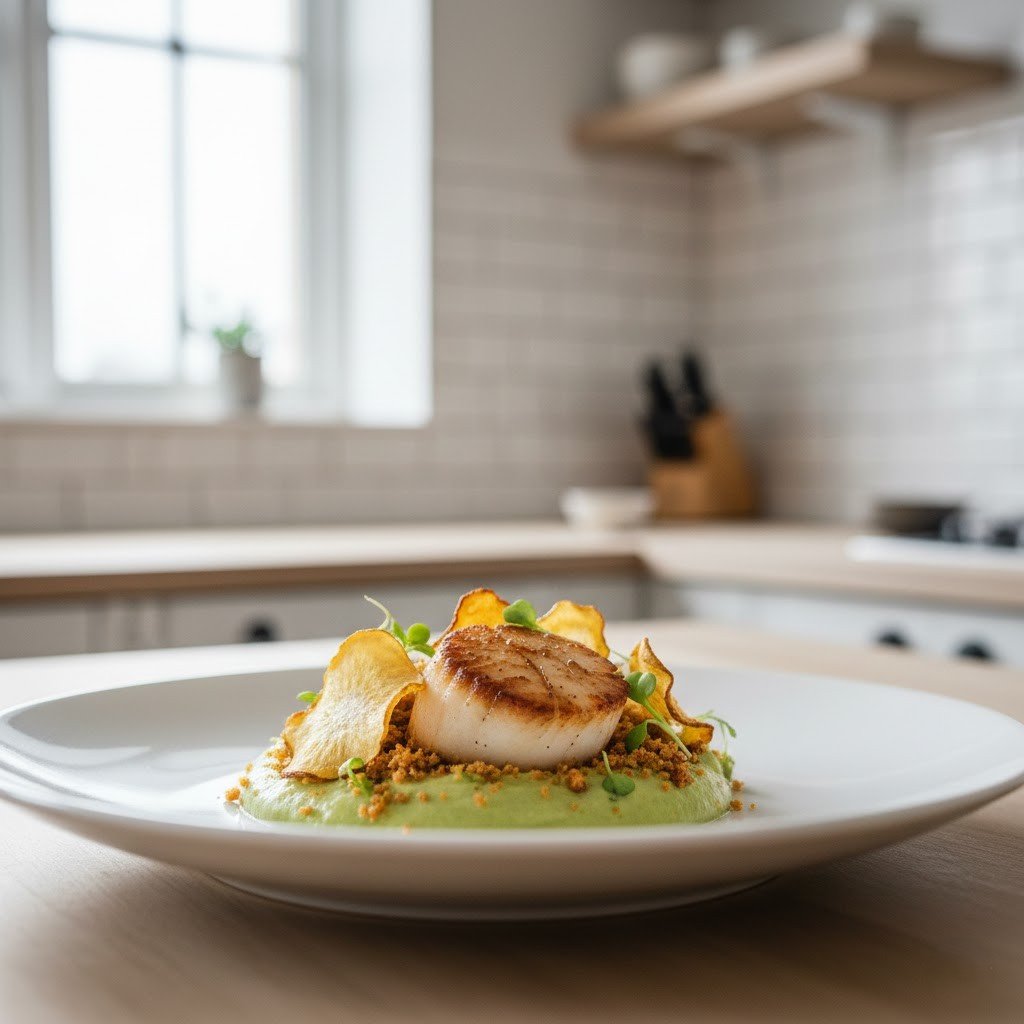
Texture is playing an increasingly important role in menu development, with chefs intentionally pairing creamy bases with crisp toppings or tender proteins with crunchy grains. This thoughtful contrast enhances the dining experience, making each bite dynamic and engaging from start to finish.
Sustainable Seafood Innovation
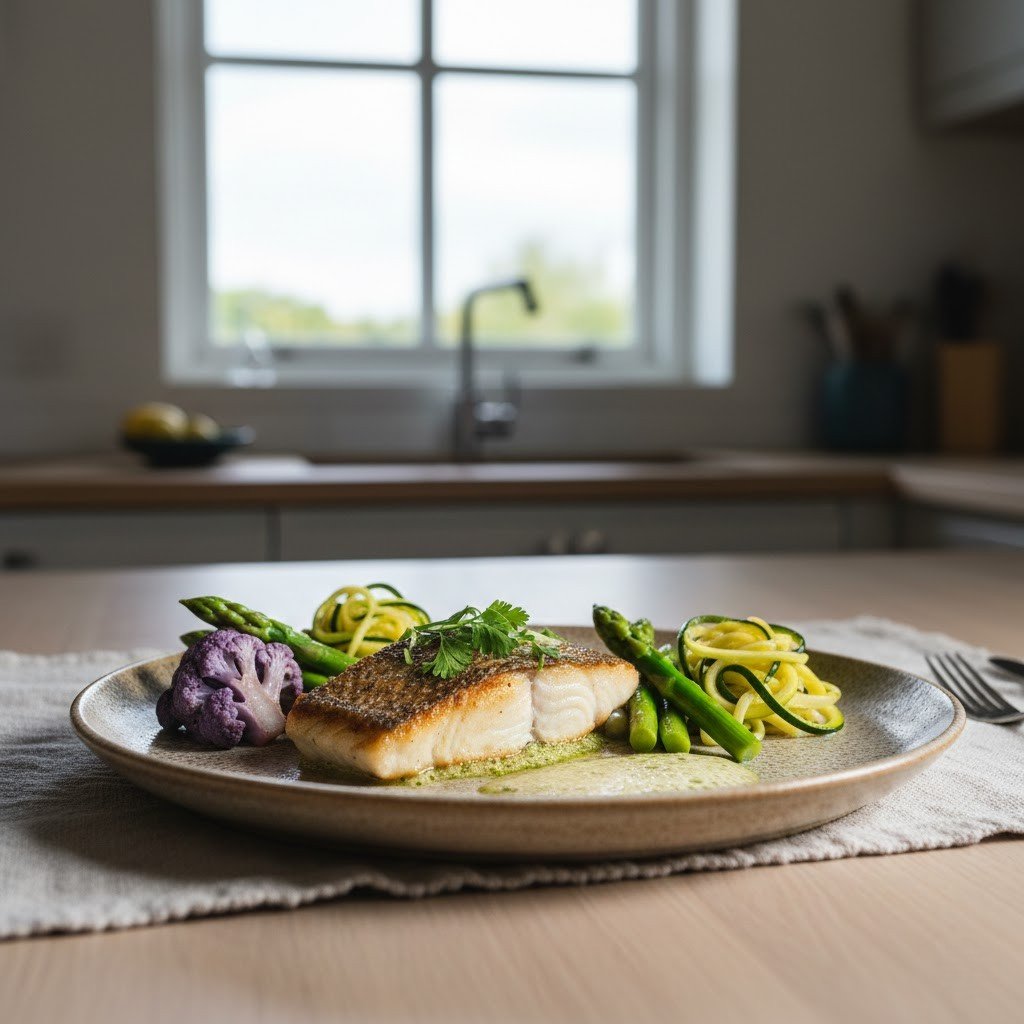
Responsible sourcing is reshaping seafood menus as chefs explore underutilized species and aquaculture options that reduce strain on overfished populations. By highlighting freshness, simple preparation, and transparent supply chains, they demonstrate that sustainability and flavor can thrive together.
Dessert Redefined with Savory Influences
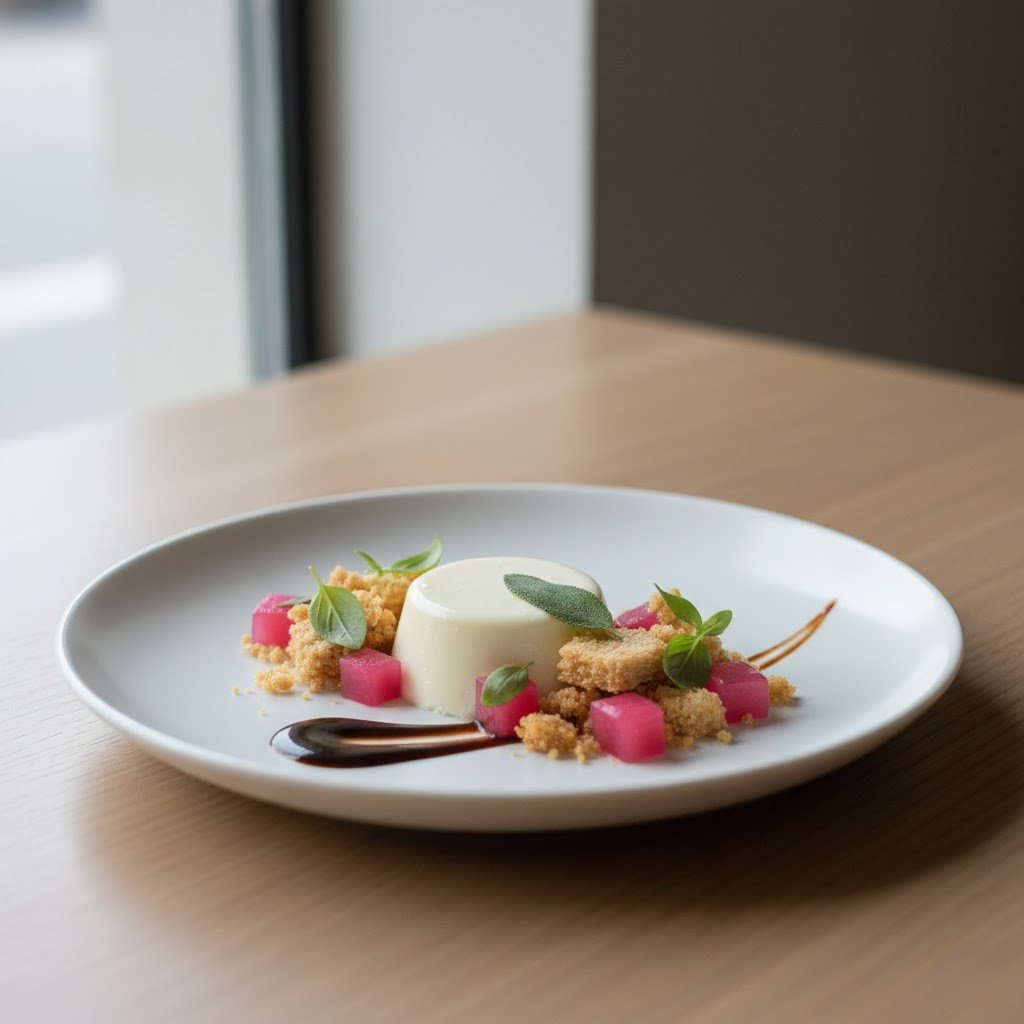
Pastry chefs are experimenting with subtle savory notes such as herbs, olive oil, and mild spices to create desserts that feel balanced rather than overly sweet. This shift reflects a broader palate change, where diners appreciate complexity and restraint in their final course.