 Abigail Jackson
 The upside-down apple tart is a classic dessert that involves a tender apple fruit and golden pastry that make a nice presentation on the inverted plate to the serving dish. This version is concerned with the methods that are reliable and achieve consistent caramelization and crisp bottom without unjustified complexity. Home bakers can create a bakery quality outcome that is both consistent and awe-inspiring with considered ingredient selections and timely schedule regardless of the occasion, whether it be daily or a special meal anywhere.
Apple Choice
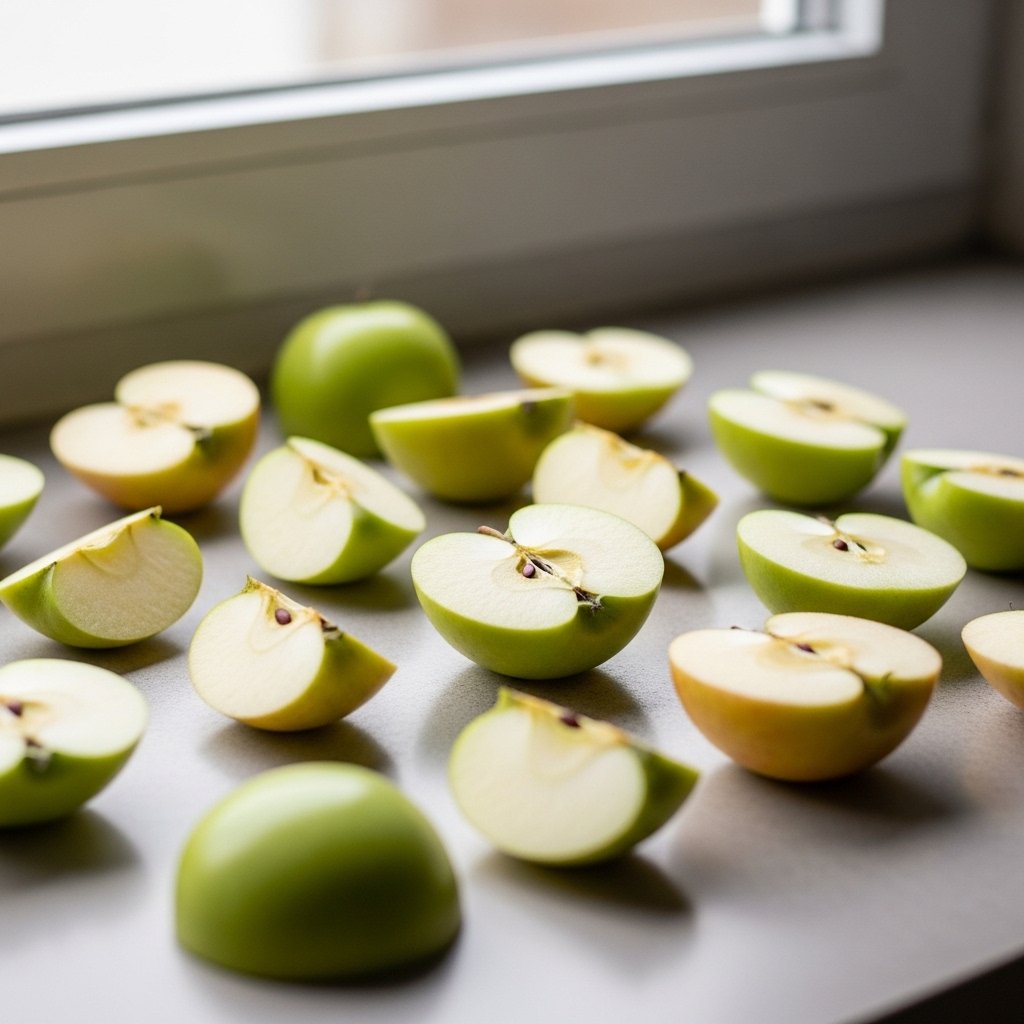
Firm slightly tart apples like Granny Smith or Honeycrisp are those that retain their structure through baking but provide sufficient acidity to counter the sugary taste of the caramel layer. Cutting the apples into even slices means that they will cook equally, and there will be no overly soft pieces and allow making a consistent surface when the tart is inverted.
Caramel Base
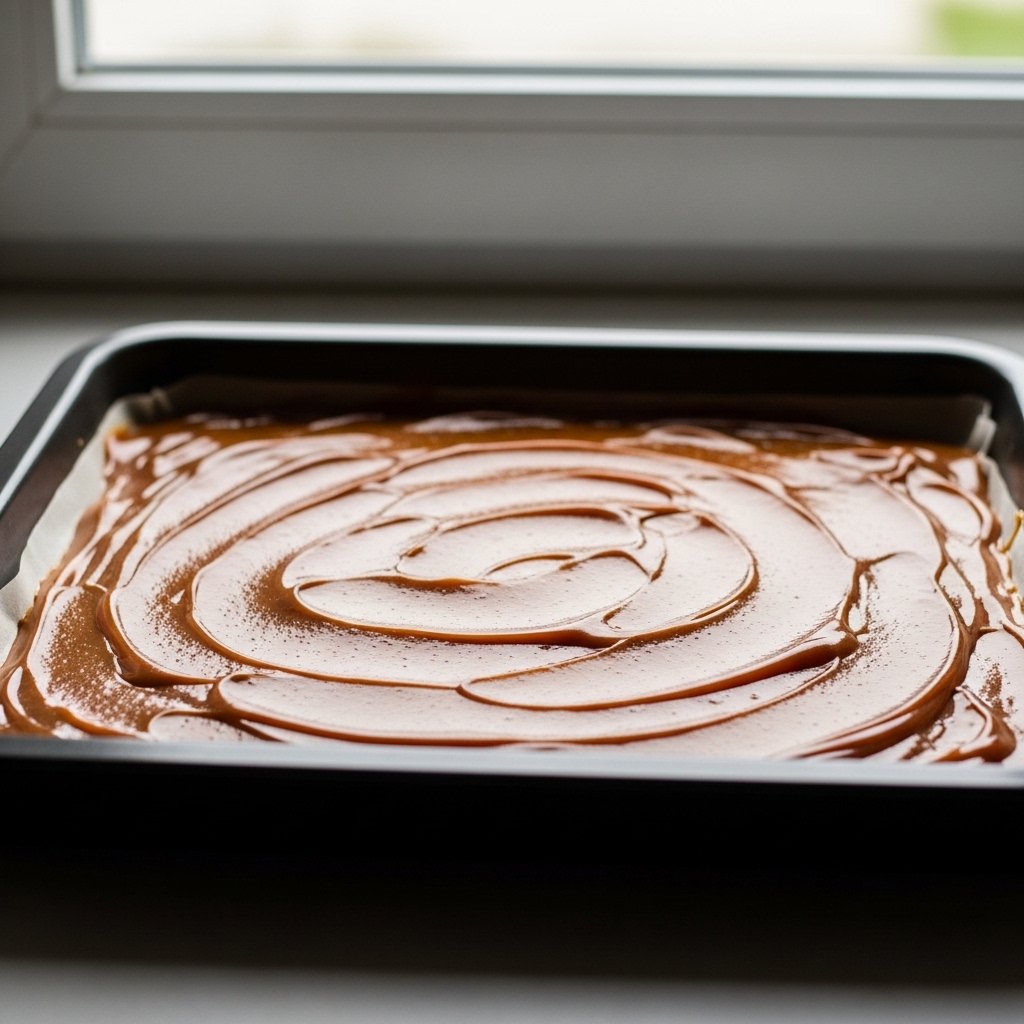
The glossy caramel layer that is used to cover the apples and later be the top is a simple amalgamation of butter and granulated sugar melted together in a pan that is safe to use in the oven. The sugar is dissolved in facilitation of full reaching the light amber colour before the fruits are added and this offers flavor with no bitterness.
Pastry Layer
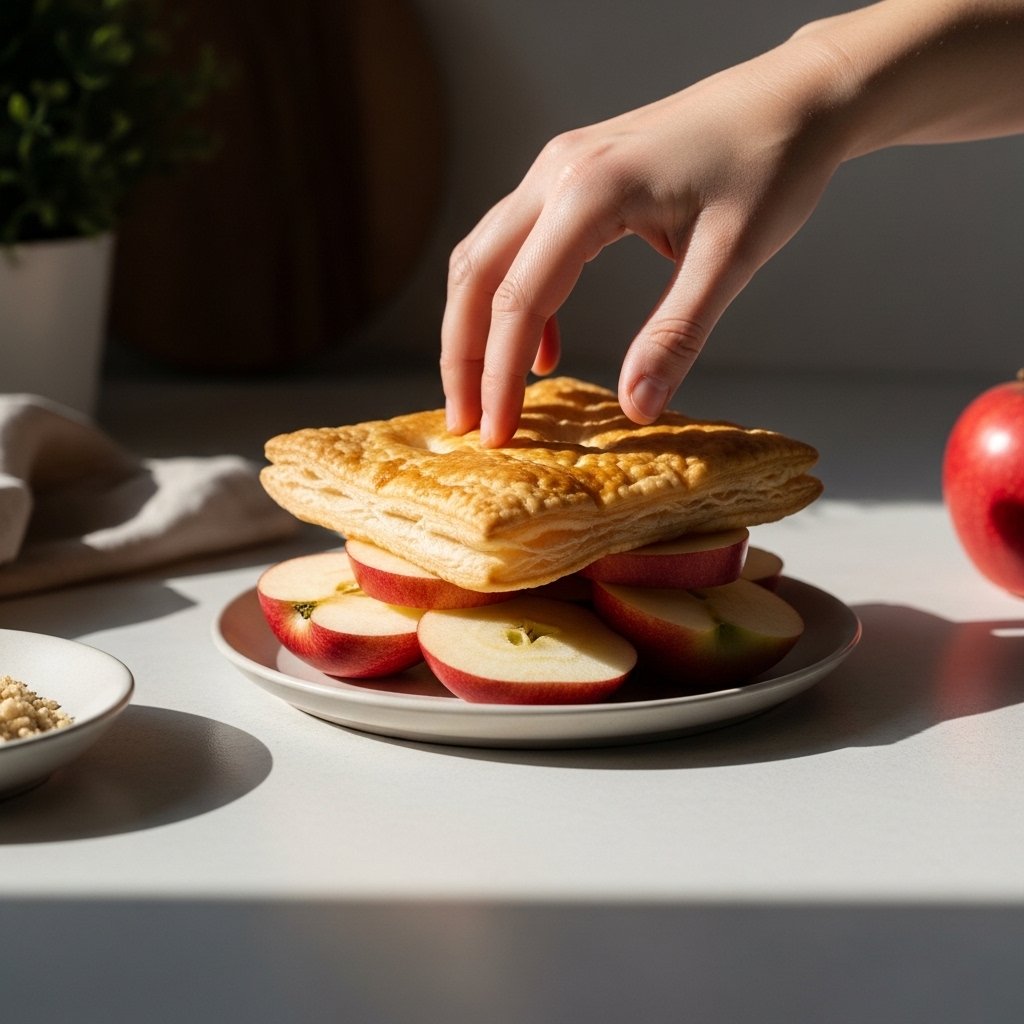
Purchased puff pastry is ideal in terms of convenience, but one can use homemade pastry if they want to, and it has to be rolled slightly bigger than the pan so that it can be folded around the apples. Small vents that are pricked into the pastry will allow steam to escape and this will ensure that the pastry does not have a wet bottom.
Pan Prep
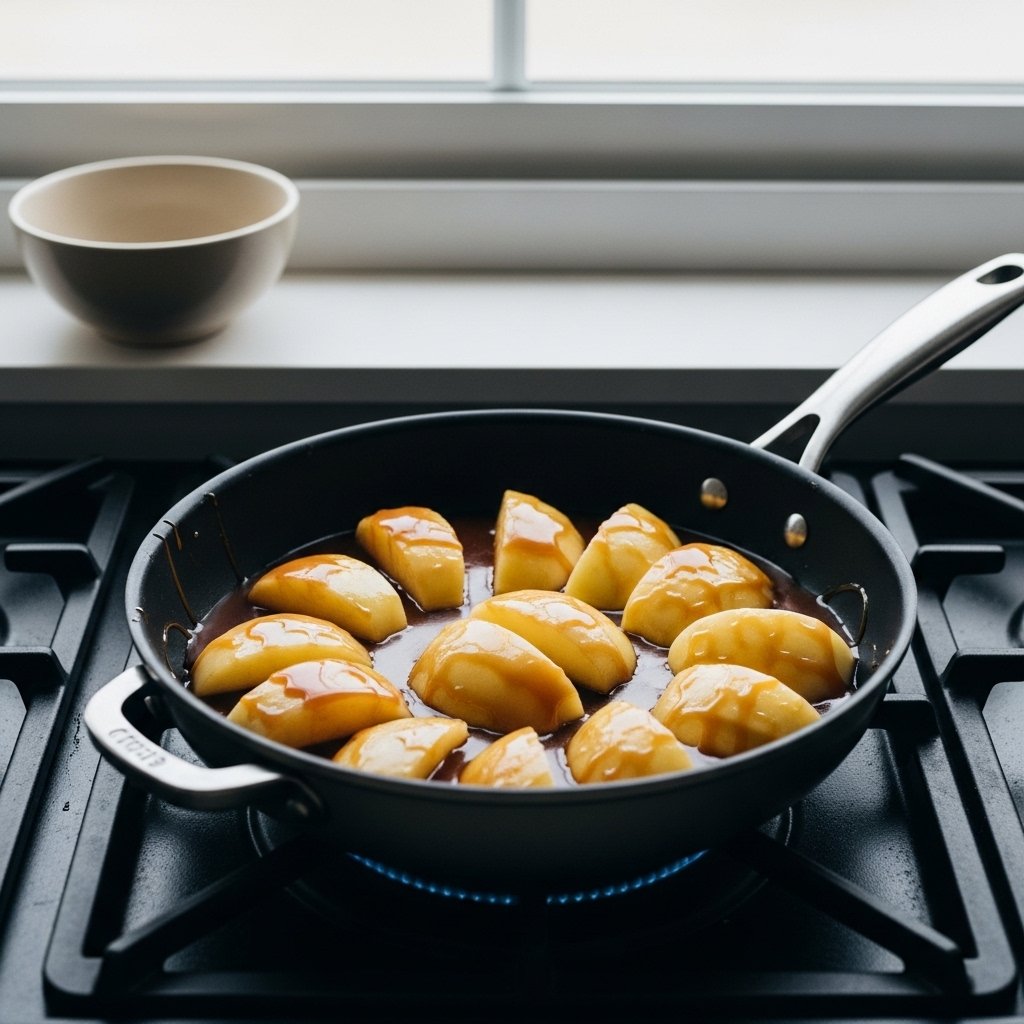
A heavy oven-safe skillet or metal cake pan facilitate even distribution of heat, without which uniform caramelization of the surface is impossible. Putting a little grease on the sides prior to putting caramel in it helps in preventing sticking and the unmolding exercise becomes easier once the process of baking is over.
Oven Timing
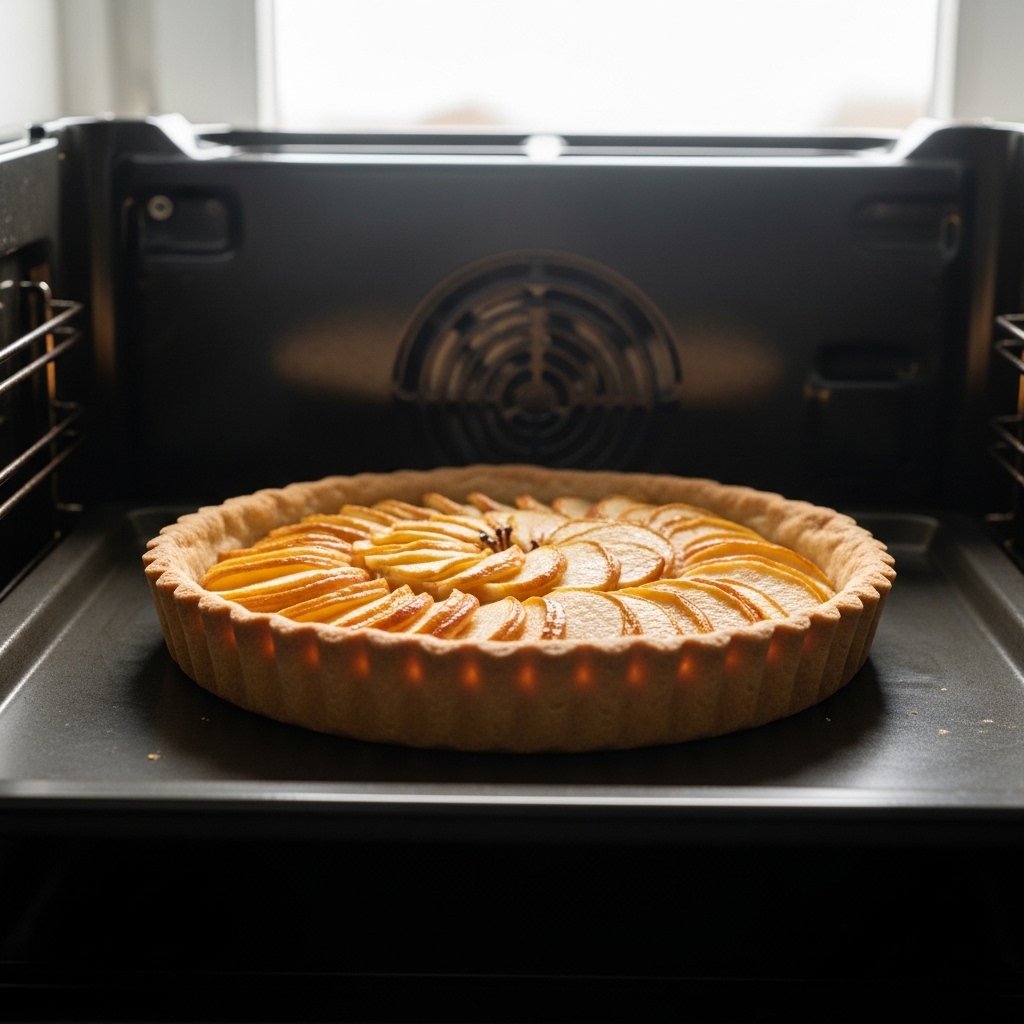
Several factors determine the baking temperature which is moderately high, usually around 400 degrees Fahrenheit, to ensure the pastry puffs and browns and the apples become tender but structured enough. The presence of a deep golden crust and the bubbles of caramel at the edges to check whether the tart is fully cooked and is now ready to rest.
Cooling Time
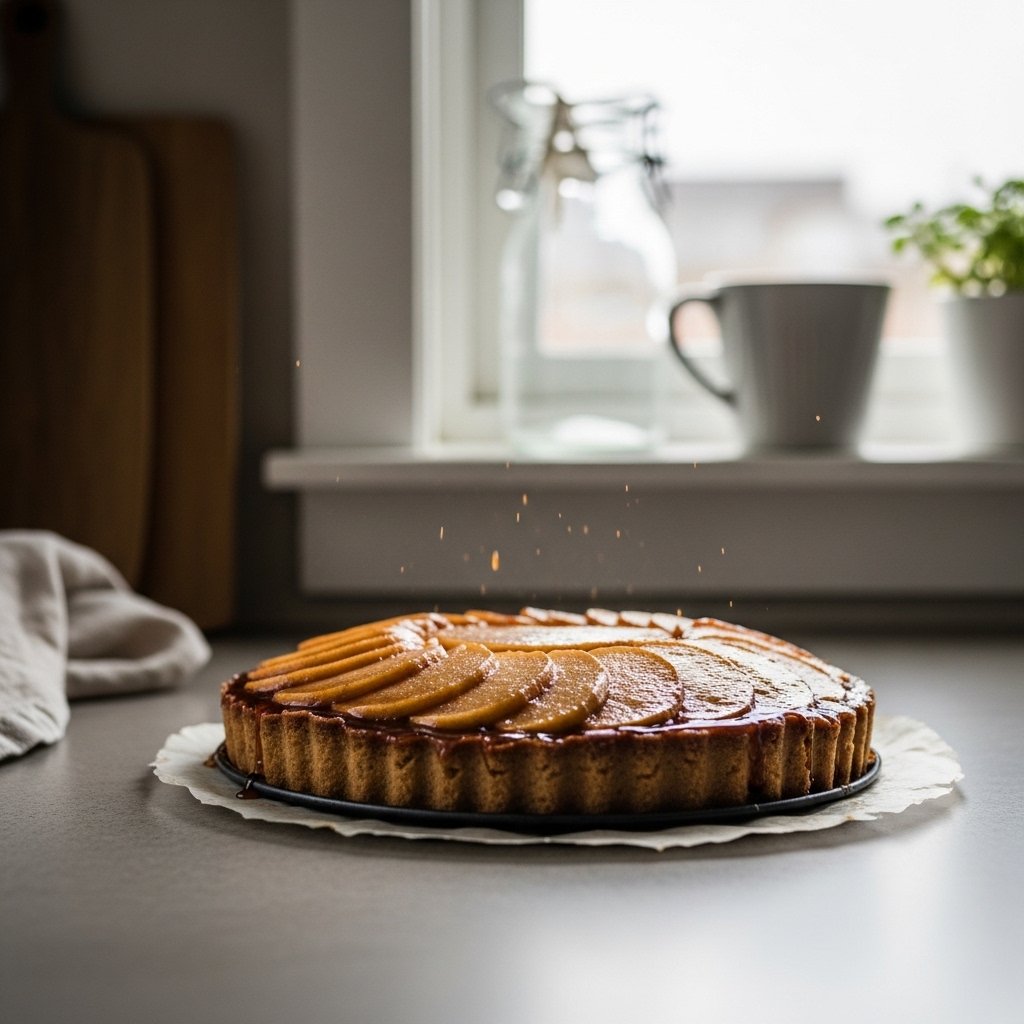
Allowing the tart to cool down to approximately ten minutes after it is taken out of the oven enables the caramel to thicken slightly thus assisting it to stick to the apples once inverted. Turning it over prematurely will result in the topping sliding, whereas taking too long will lead to sticking because of the hardening sugar.
Flavor Boost
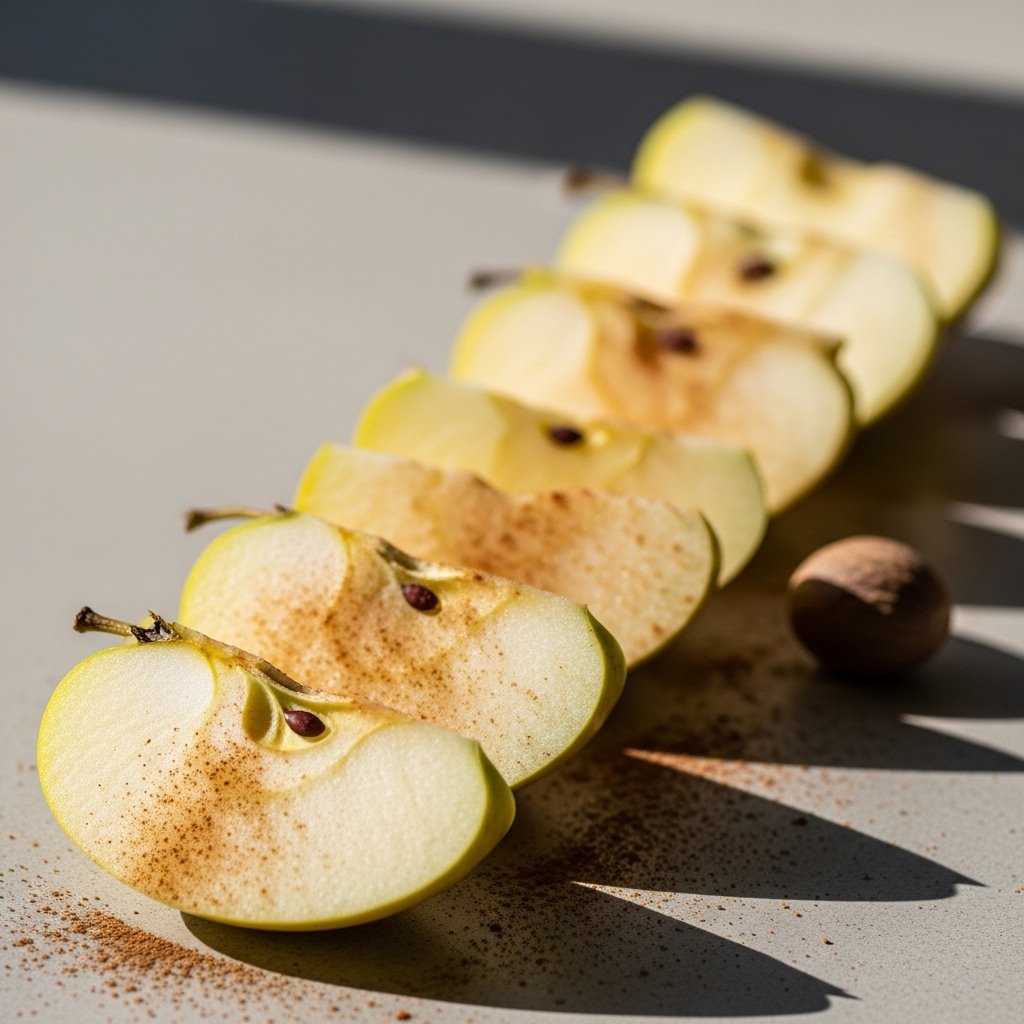
The addition of a touch of ground cinnamon or freshly grated nutmeg to the apples increases the degree of warmth, and a squeeze of lemon juice only adds to the overall picture without overwhelming the fruit. Venture lightly with a pastry before baking with a brush of the melted butter promotes a mouth-watering look and richness of hue.
Serving Touch
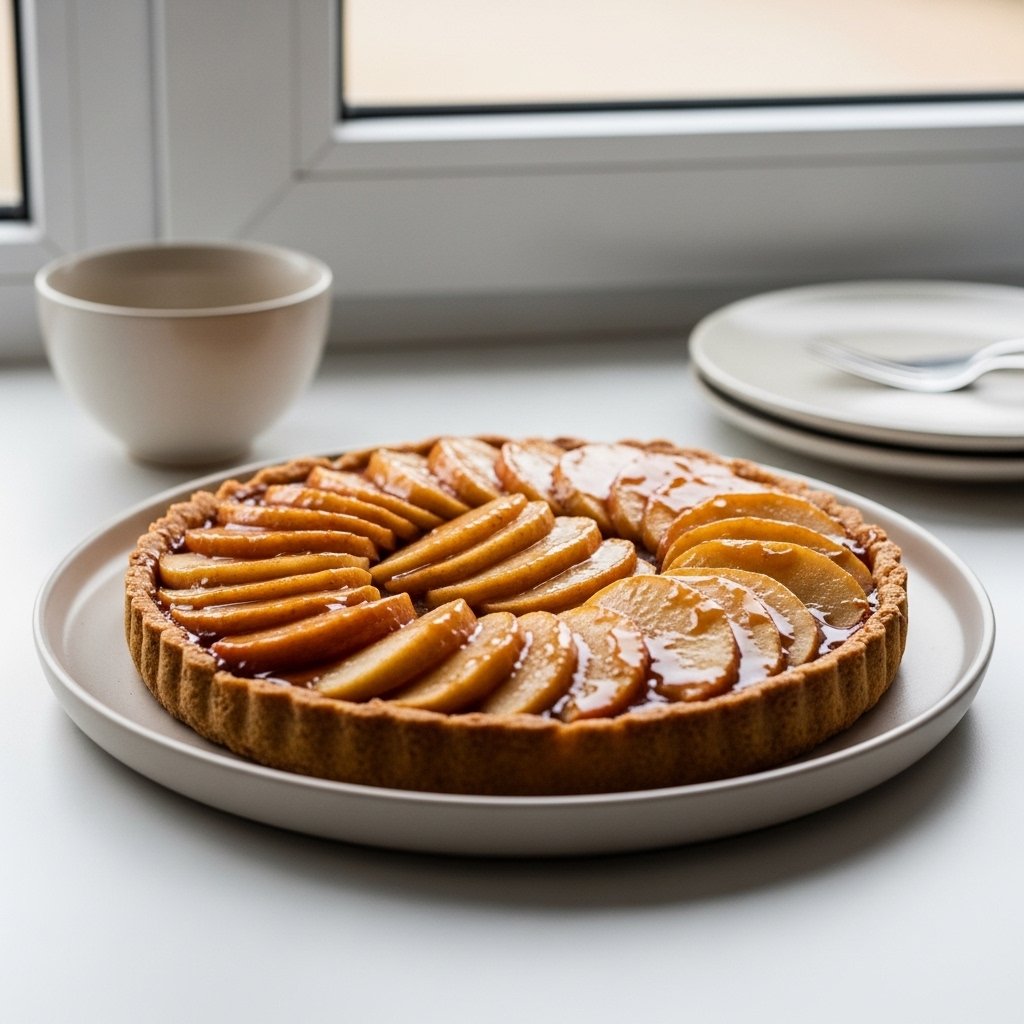
Being able to tip the tart onto a heatproof plate easily with a steady hand and a certain degree of confidence keeps the decorative arrangement of the apples in place and stops the breakage as well. The warm serving of slices helps the caramel to be soft, aromatic, and every bite of it is rich, balanced, and satisfying.