 Abigail Jackson
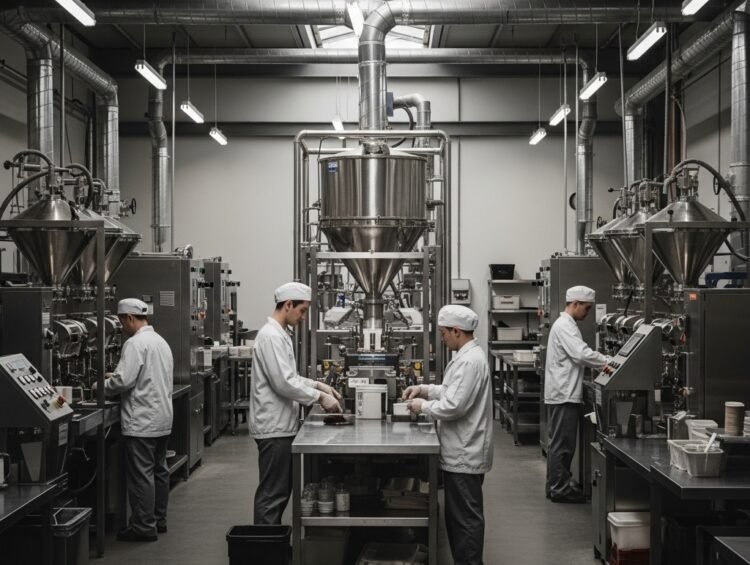
 Instant coffee is one of the most convenient beverages in the world, but behind every quick cup is a carefully controlled industrial process. Modern factories combine food science, precise engineering, and quality testing to transform roasted coffee beans into soluble crystals or powder that dissolve instantly in hot water. Understanding how instant coffee is made reveals just how much work goes into creating something designed to save time in your daily routine.
Selecting and Preparing the Coffee Beans

The process begins with sourcing high quality green coffee beans, typically from robusta or arabica varieties chosen for their flavor strength and solubility. Once delivered to the factory, the beans are cleaned thoroughly to remove dust, stones, and any foreign material that could affect taste or safety.
Roasting to Develop Flavor
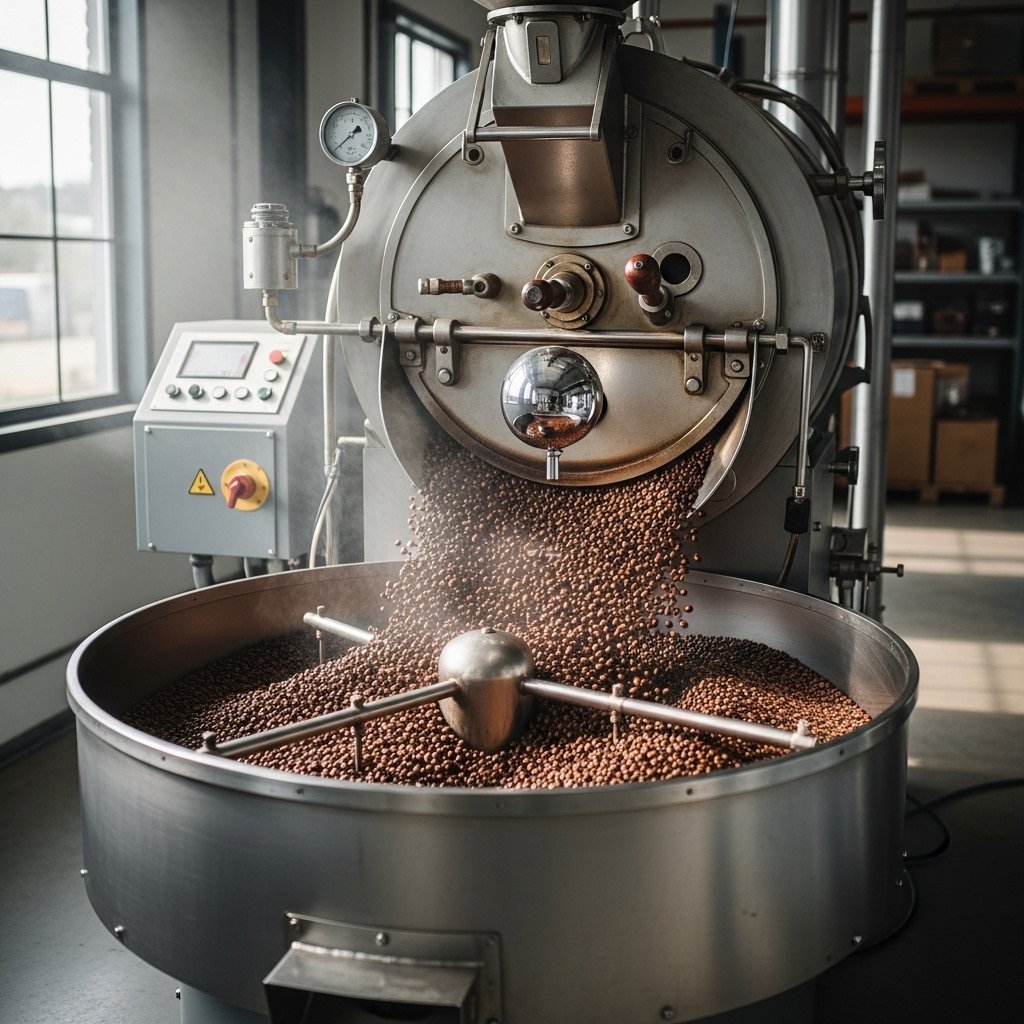
After cleaning, the beans move into large industrial roasters where they are heated at carefully controlled temperatures to develop the characteristic coffee aroma and flavor. The roasting profile is closely monitored because it directly influences the final taste of the instant coffee.
Grinding the Roasted Beans
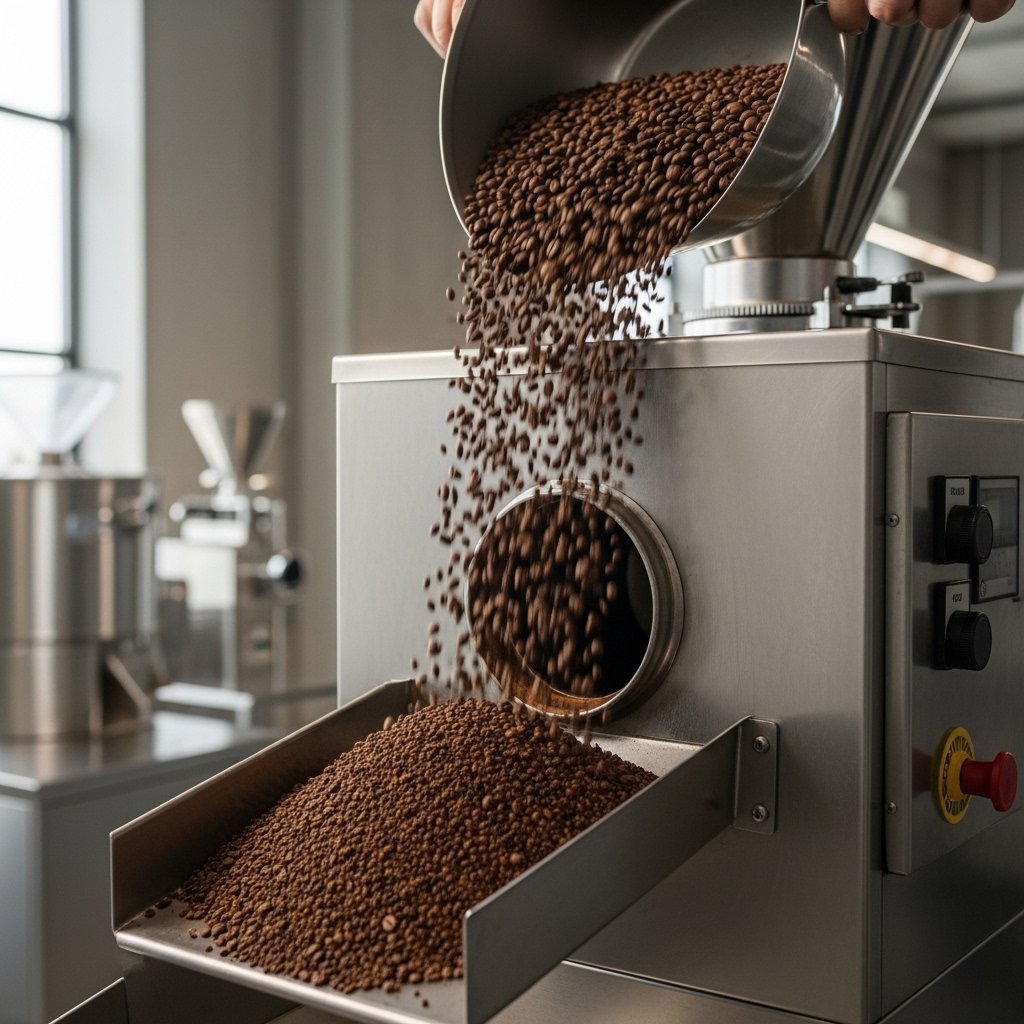
Once cooled, the roasted beans are ground into coarse particles using heavy duty grinders designed for uniform size. Consistent grinding is important because it ensures efficient extraction of soluble coffee compounds in the next stage.
Brewing a Concentrated Coffee Extract

The ground coffee is transferred into large extraction tanks where hot water is passed through the coffee under controlled pressure and temperature. This step produces a strong liquid coffee extract that contains the flavor oils and soluble solids needed for instant coffee.
Filtering the Liquid Extract
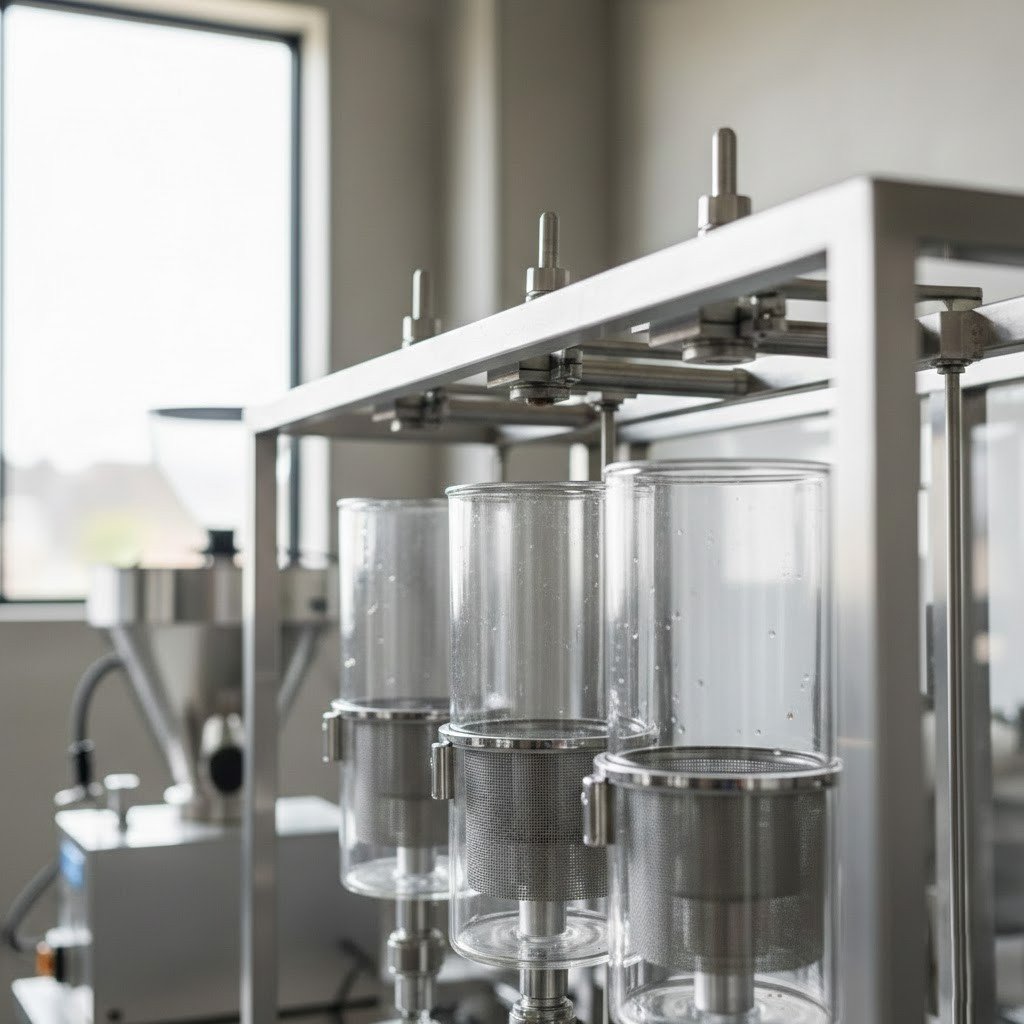
The brewed extract is filtered to remove any remaining coffee grounds or fine particles. High precision filtration systems are used to ensure the liquid is smooth and free from sediment before moving forward.
Concentrating the Coffee Solution
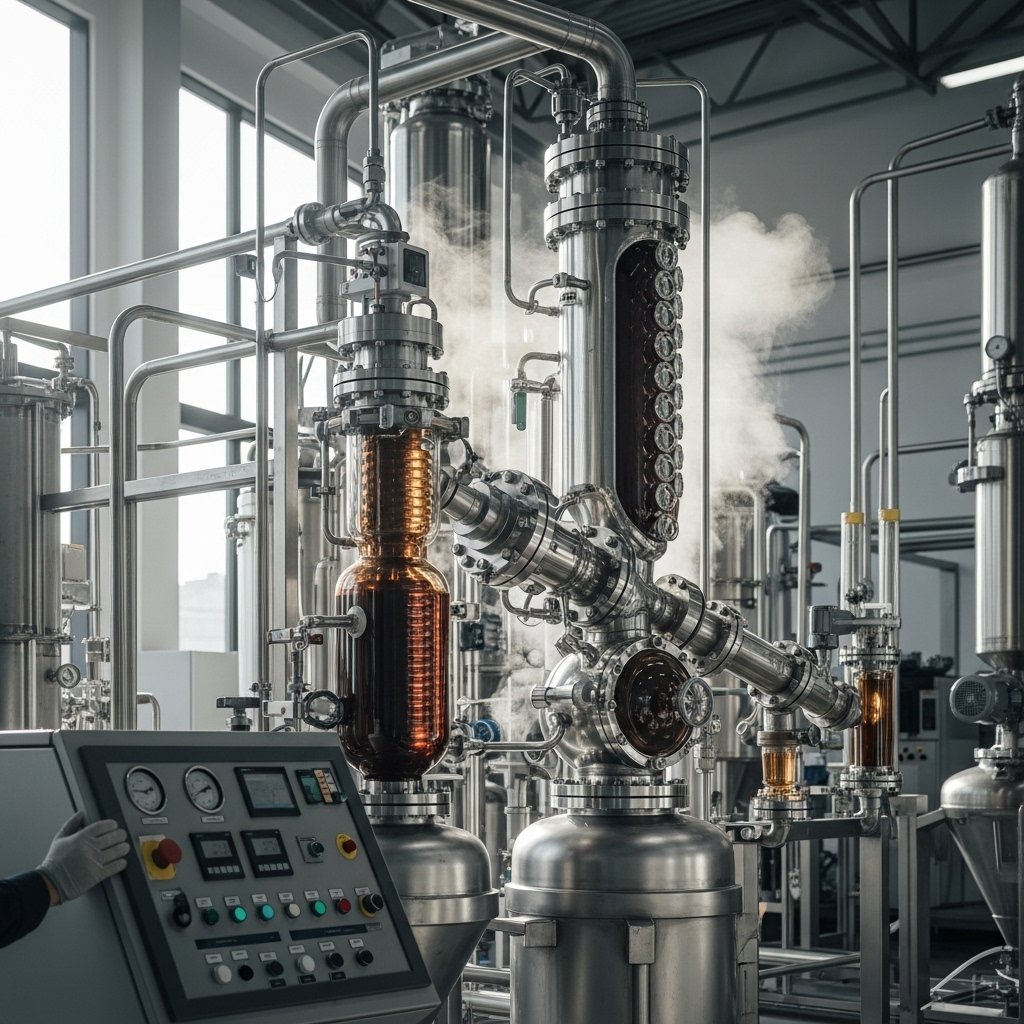
To make drying more efficient, factories remove part of the water from the liquid extract using evaporation under reduced pressure. This creates a thicker coffee concentrate while preserving as much flavor as possible.
Drying the Coffee Into Soluble Form
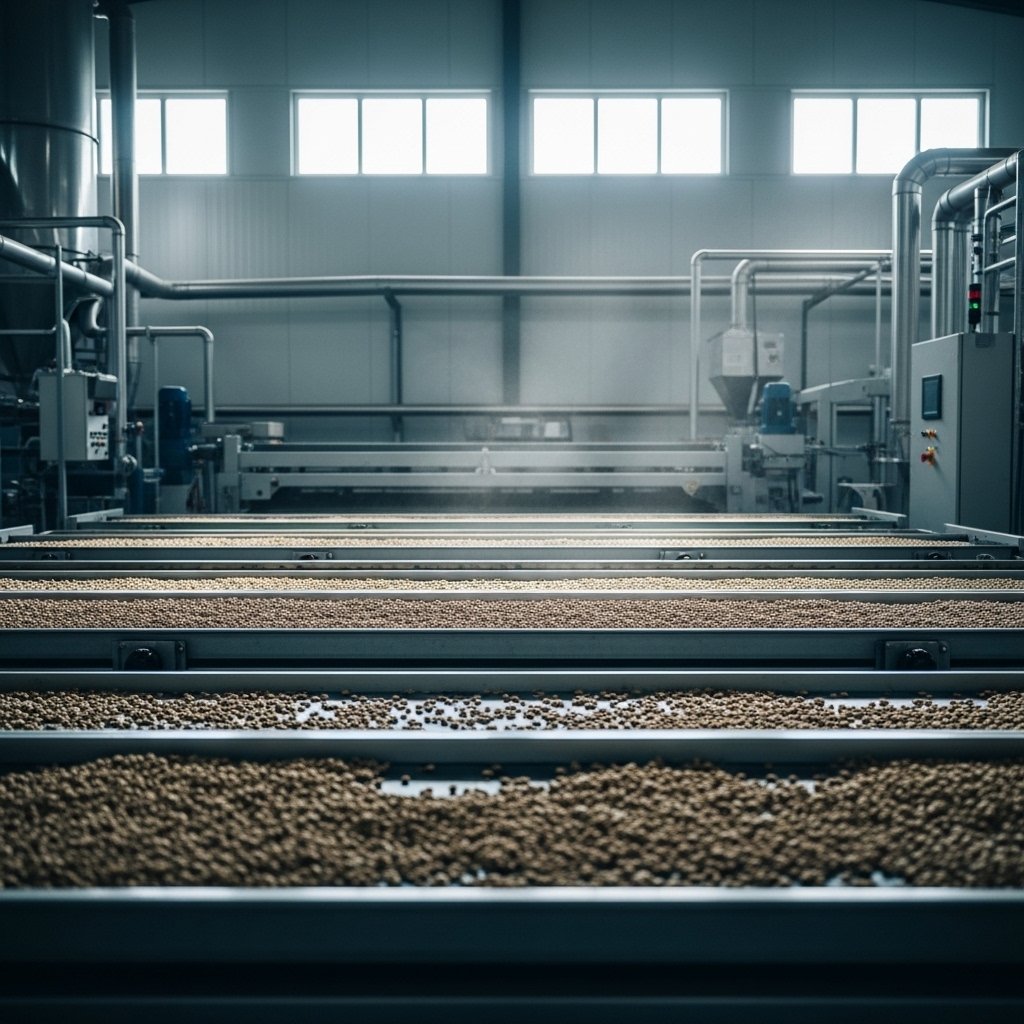
At this stage, manufacturers typically use one of two major drying methods to transform the liquid concentrate into instant coffee. The choice of method affects texture, aroma retention, and overall product quality.
Spray Drying Method
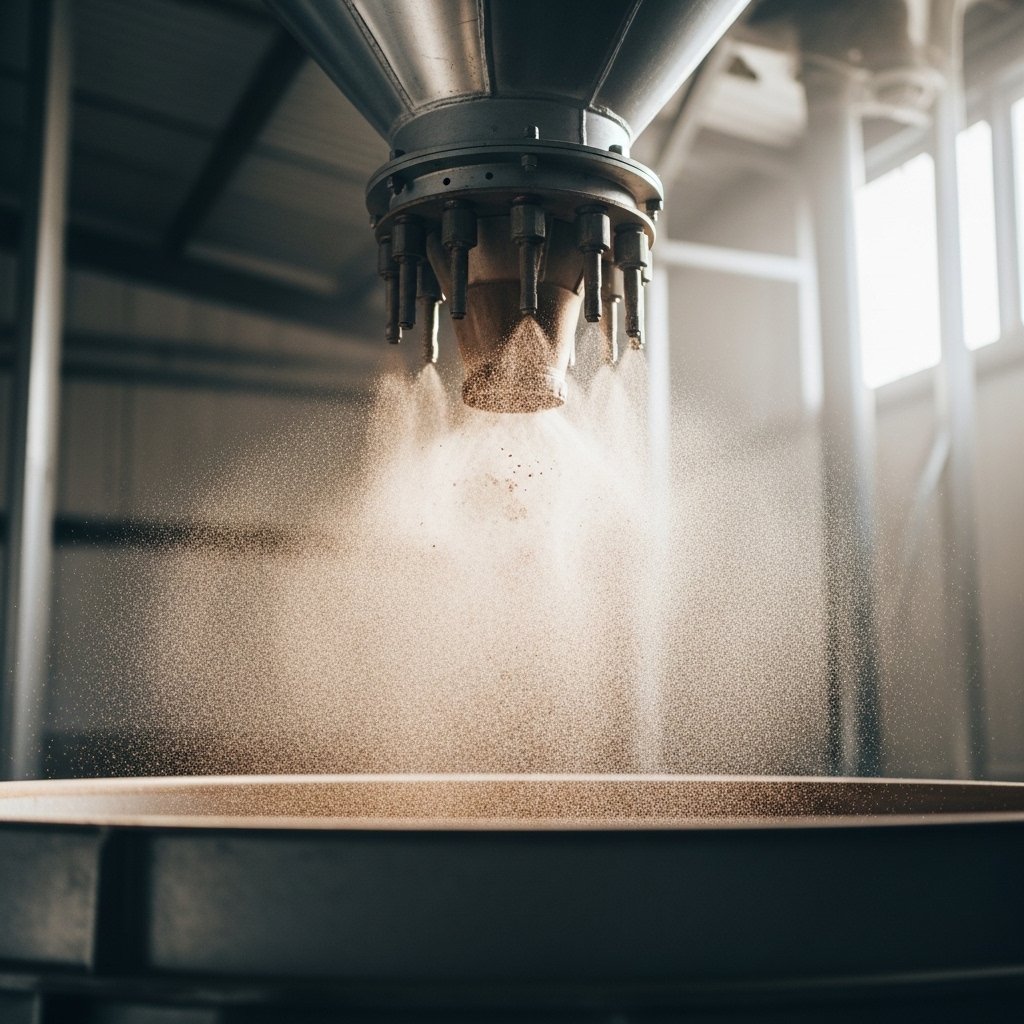
In spray drying, the liquid coffee is sprayed into a stream of hot air inside a tall drying chamber. The water evaporates almost instantly, leaving behind fine coffee powder that is collected at the bottom.
Freeze Drying Method
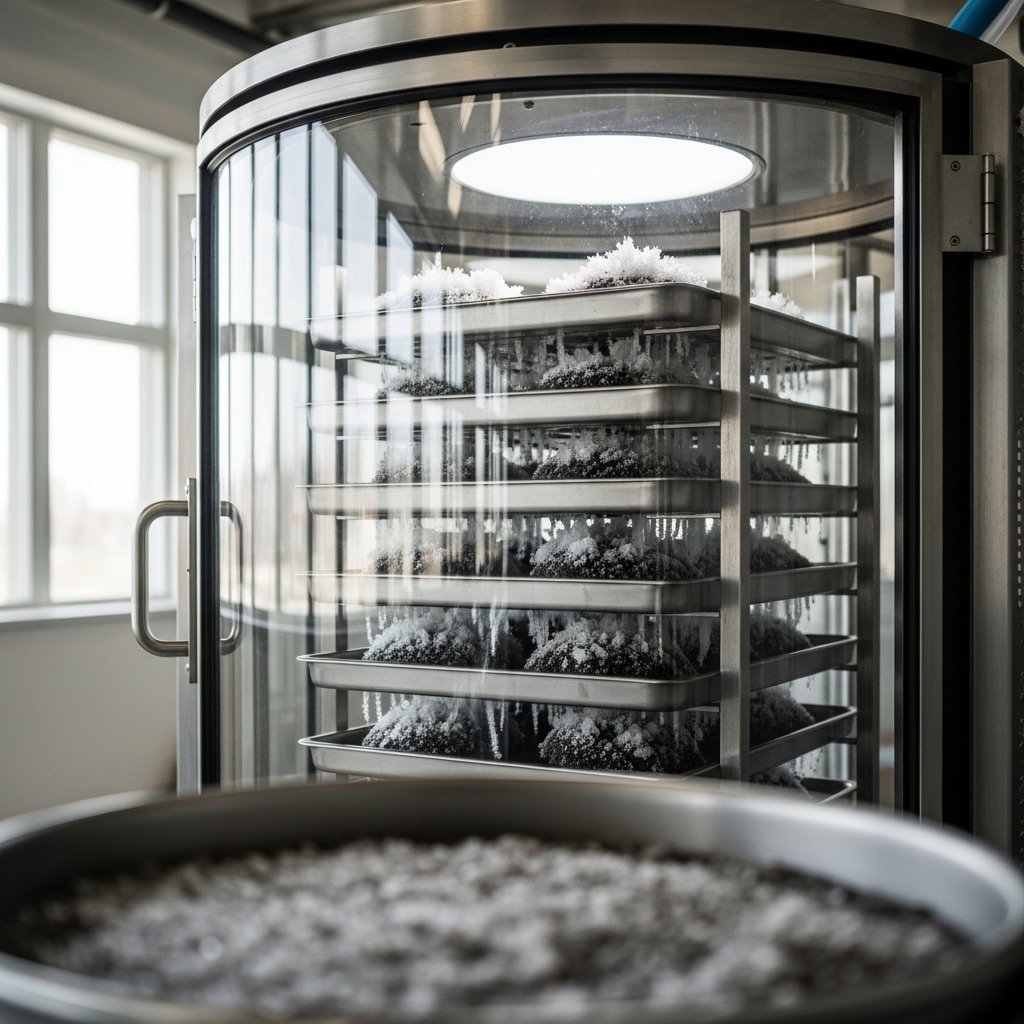
Freeze drying is a more premium process in which the coffee extract is first frozen and then placed in a vacuum chamber. The ice turns directly into vapor through sublimation, leaving behind larger coffee granules that usually retain more aroma.
Agglomeration for Better Dissolving
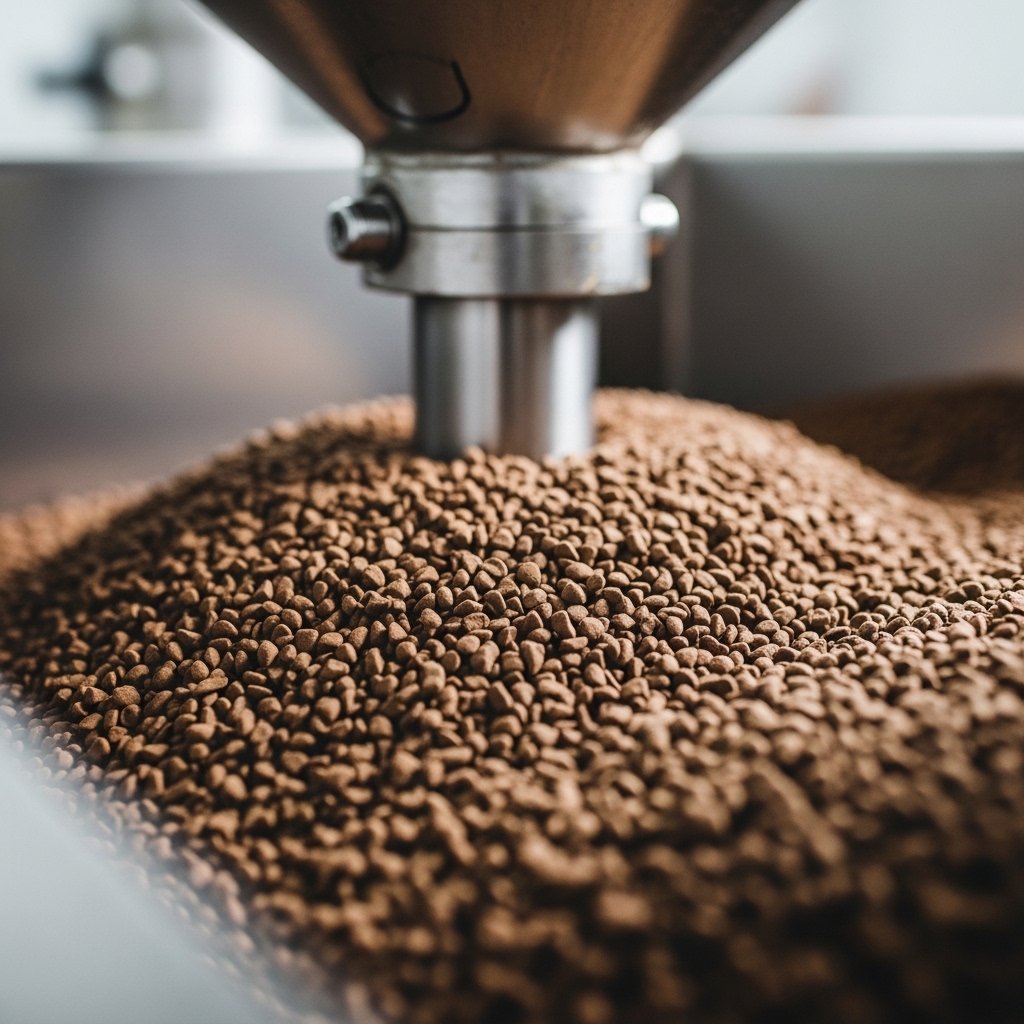
Many manufacturers perform agglomeration, where fine coffee particles are lightly moistened and clustered into larger granules. This improves how quickly the coffee dissolves in water and enhances the product’s visual appeal.
Aroma Recovery and Reintroduction
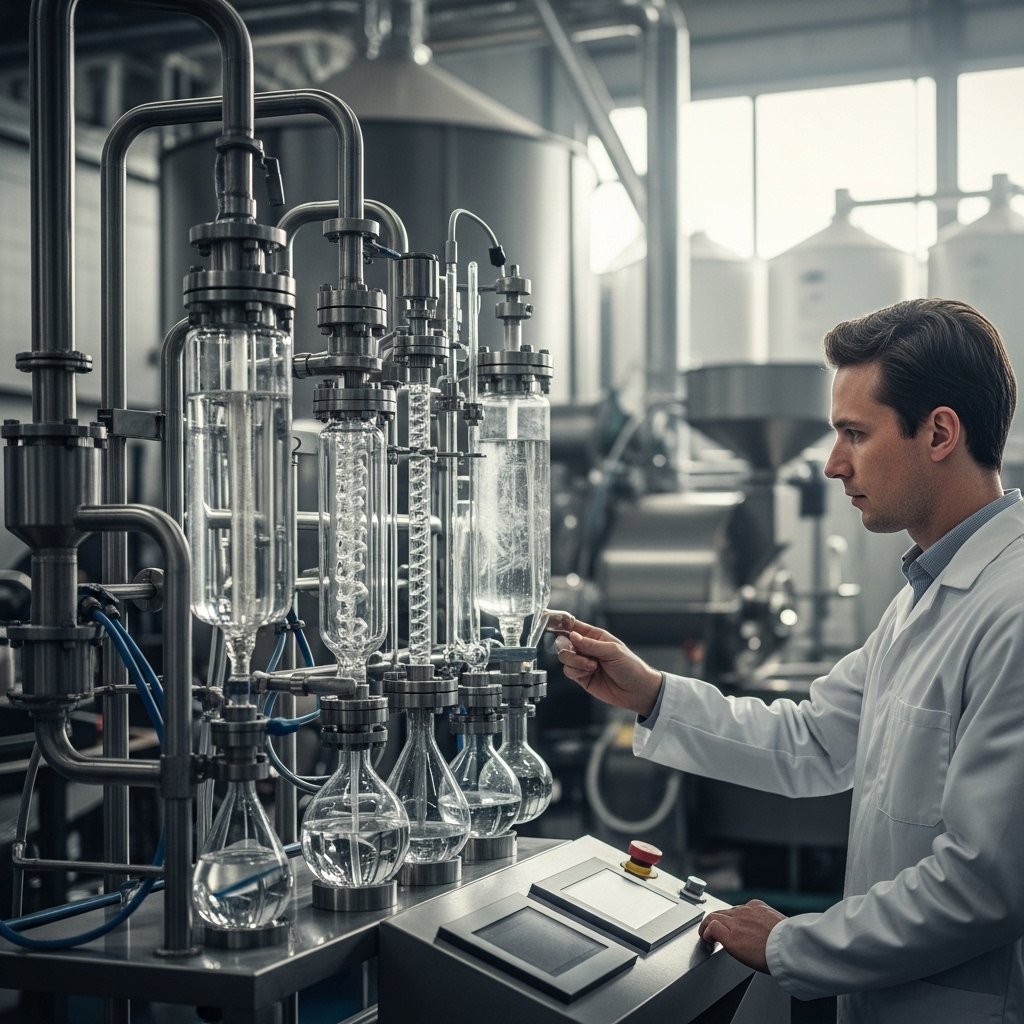
During processing, some natural coffee aromas can be lost, so factories often capture volatile flavor compounds earlier in production. These aromas are later reintroduced to the dried coffee to restore a richer, fresher smell.
Quality Testing and Packaging

Before packaging, the instant coffee undergoes strict quality checks for moisture level, solubility, flavor consistency, and safety standards. Once approved, the product is sealed in moisture proof containers or sachets to maintain freshness during storage and transport.
From Factory to Your Cup

By the time instant coffee reaches store shelves, it has passed through a sophisticated journey of roasting, extraction, concentration, and drying. The next time you stir a spoonful into hot water, you will know that the convenience in your cup is the result of precise science and carefully engineered manufacturing processes.