 Abigail Jackson
 The American diet is associated with the rich flavor, innovative methods of food processing, and the innovative food industry. Nevertheless, certain foods are perfectly healthy in the United States but in other countries, there are stringent limitations or even prohibition following the health codes and the standards of the ingredients. Various countries have their own food safety regulations and this implies that some of the American delicacies would not be sold in other countries despite the fact that millions of Americans consume these foods on a regular basis.
Farm-Raised Salmon
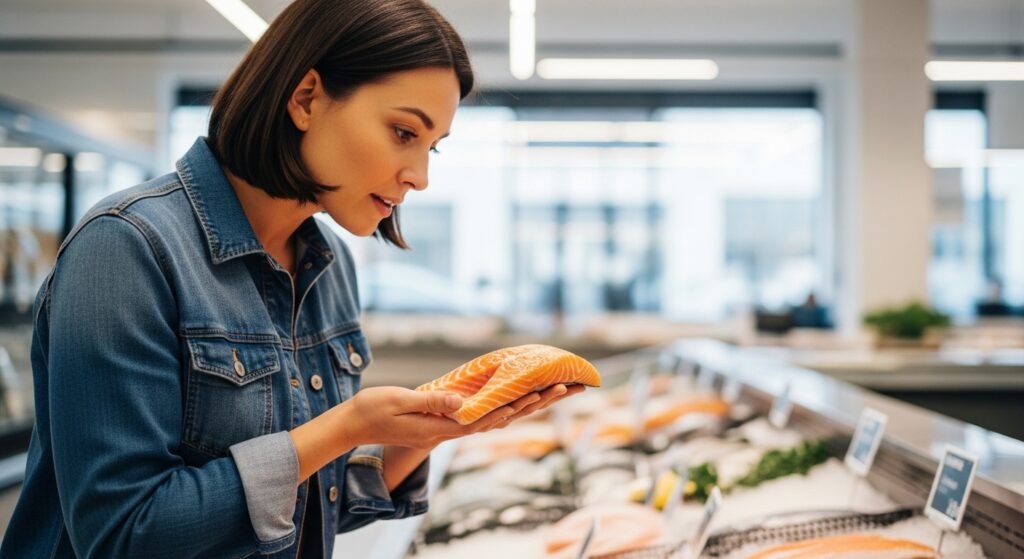
The salmon produced in farming in the United States are usually filled with additives that are used to improve its color and look to deliver the pink tone that is the traditional salmon color that is expected by consumers. Some nations have put rigid restrictions or prohibitions on these additives citing that artificial coloration of fish can give false information to the consumers and leave doubts on the long time health consequences.
Chlorine-Washed Chicken

Poultry processors often wash chicken using a solution of chlorine in the United States to kill dangerous bacteria and eliminate pathogenic agents. Nevertheless, the European Union and certain other areas do not allow such a practice since regulatory bodies want to see high standards of hygiene being maintained throughout the production / processing of the products as opposed to a chemical wash at the very end.
Genetically Modified Papaya
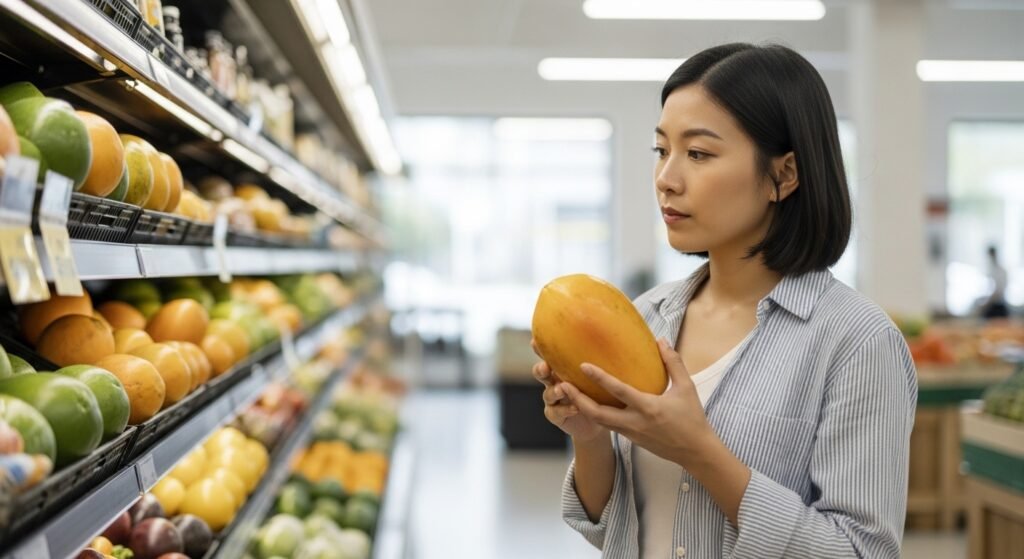
In the United States, genetically modified papaya was launched to ensure that crops were not destroyed by plant viruses that posed a threat to output in Hawaii. Although this technology enabled farmers to have continued harvests, some countries have continued to ban genetically modified produce because of the environmental effects and transparency to the consumers.
Ractopamine-Treated Pork
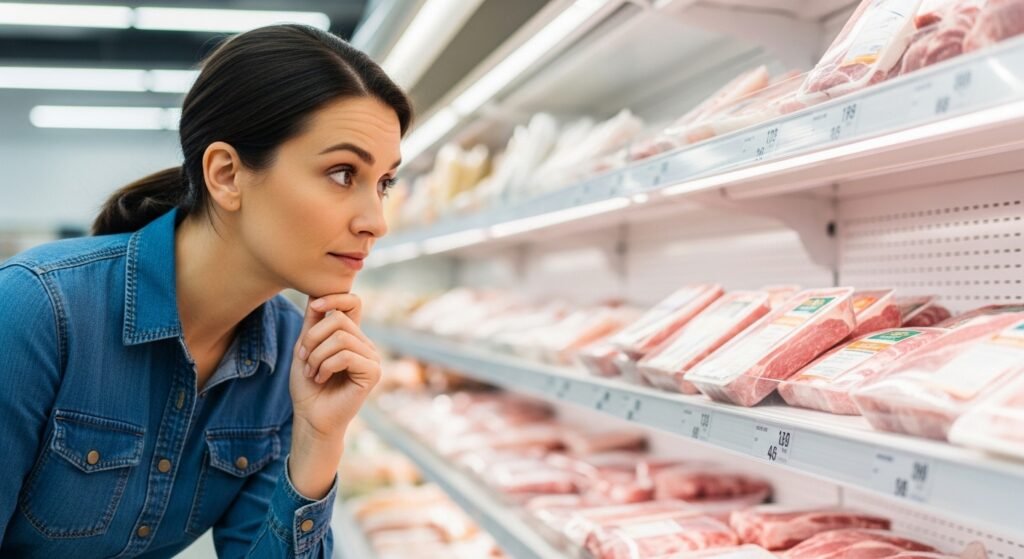
A lot of farmers in America have a kind of feed additive called ractopamine to ensure lean muscle growth in their pigs in order to enable farmers produce more efficiently. Many nations, even European Union members, and China outlaw the use of animals raised on this additive due to the opinion of the regulators that further research is required to ascertain the long-term safety of this additive.
Potassium Bromate Bread

Potassium bromate is a dough conditioner present in some of the commercial bread in the United States and is used to enhance the texture and elasticity during baking. This ingredient has been prohibited in many countries by food safety regulators following scientific research which has proven that it may cause health complications and therefore bakeries in other countries have adopted alternative ways of producing the same baking effects.
Artificially Colored Candy
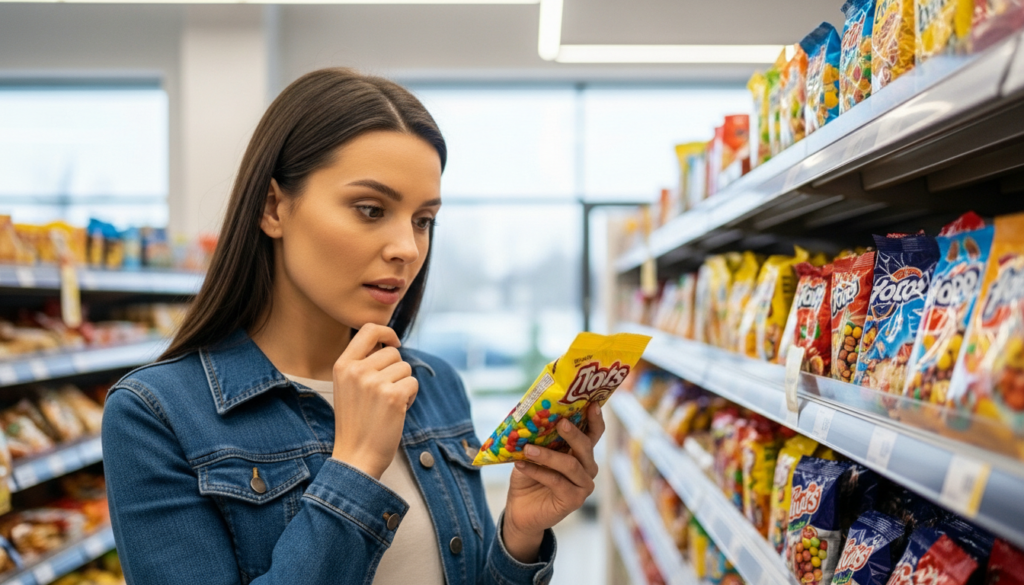
Colorful candies are a common feature in American snack stores and usually use artificial food dyes in order to look bright. Some nations have outlawed or limited certain dyes widely used in the United States, or mandated labeling or (as a substitute to dyes) natural colorants, because of the potential behavioral and health risks.
Some Processed Cheese Products
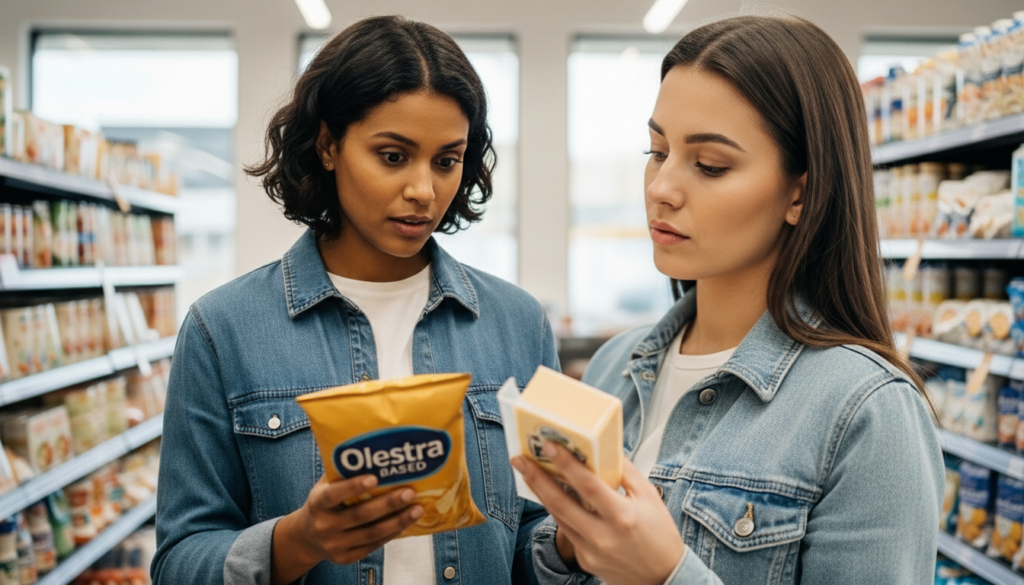
Supermarkets in America have highly processed cheese products which sometimes have emulsifiers and additives that help in increasing the shelf life and also enhancing the melting consistency. Other international food regulations have the additives in different categories and this means that some processed types of cheese were not able to be sold or marketed in their countries.
Olestra-Based Snack Chips
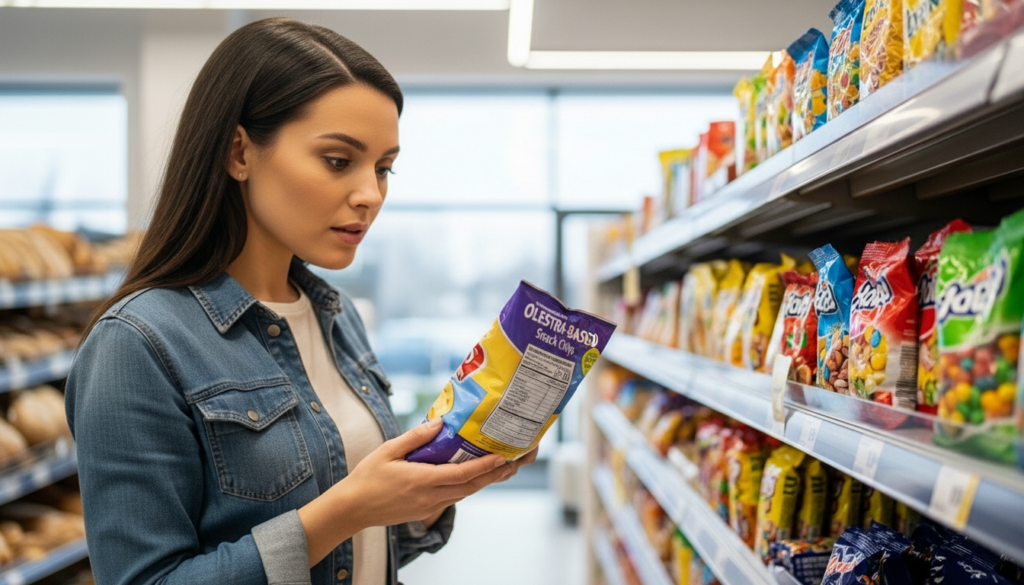
Olestra used to be popular in the United States as a fat substitute in snack chips, which also enabled manufacturers to make low-fat versions of popular foods. The ingredient was rejected by other countries under the same reason of digestive reasons and doubts on its effects to the nutritional value of the product, which resulted in limitation of the products contained with the substitute ingredient.
BVM Soft Drinks
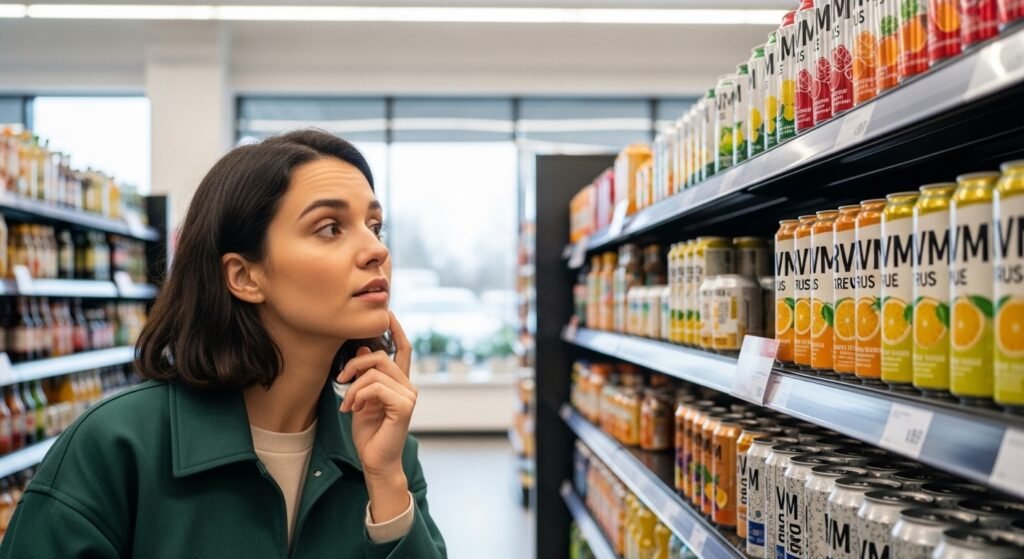
Certain citrus flavored beverages made in the United States had formerly employed brominated vegetable oil to hold flavoring distributed all through the beverage. Even though the ingredient has been eliminated by most of the companies, it is prohibited in some countries since regulators came to the conclusion that the ingredient could have a negative impact on health.
Pre-Ready Ground Beef containing Additives
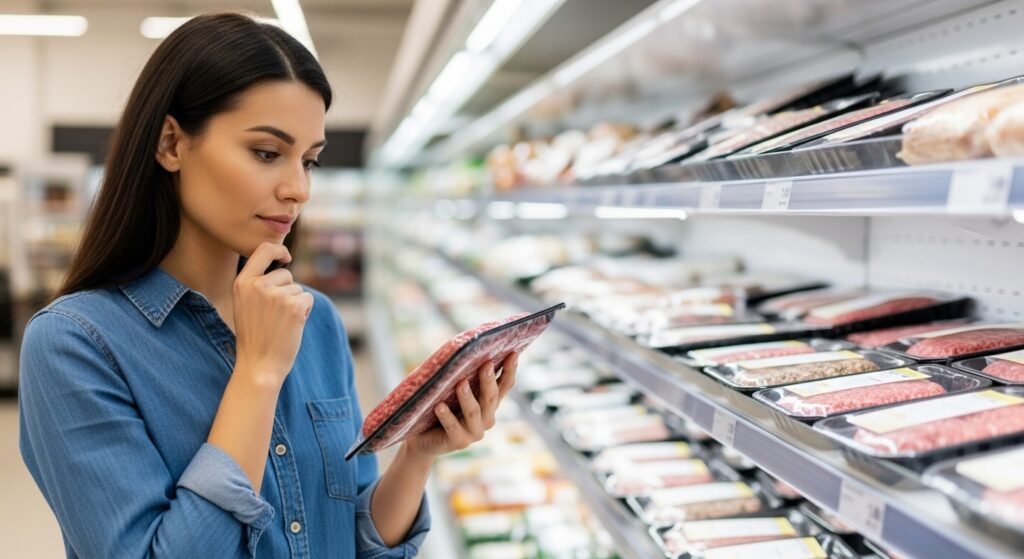
In the United States, some of the ready-made ground beef products have preservatives or processing agents that are meant to help preserve color and freshness throughout distribution. In countries where the labeling and additive regulations are more rigid, these types of formulations are at times banned and meat products must be more in touch with their natural form.
Growth Hormone American-Style Milk
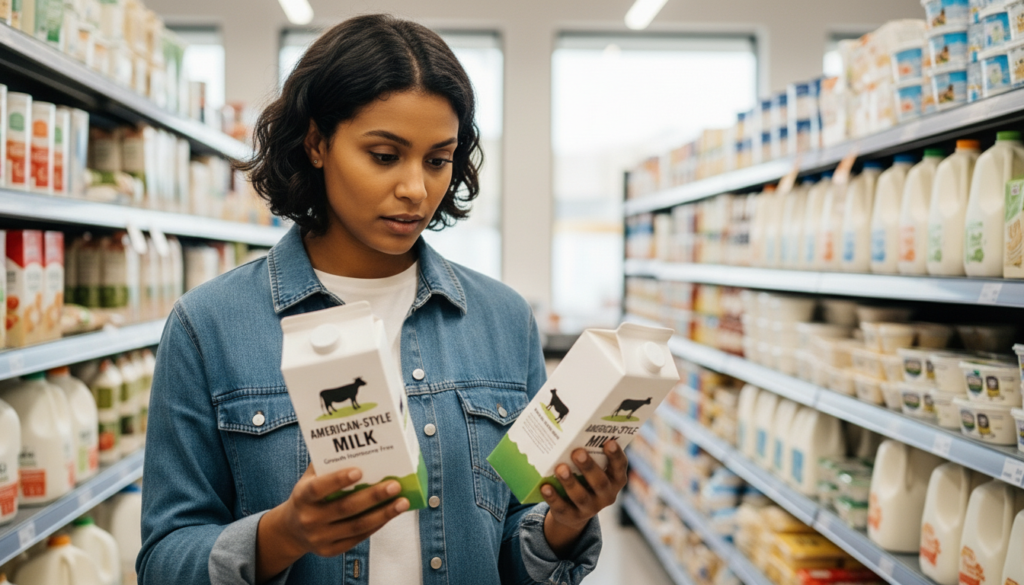
History of synthetic growth hormones in the United States dairy farms has traditionally used growth hormones synthetically to enhance milk production in cows. Numerous nations have banned milk which is produced with the aid of such hormones on the basis that the preference of consumers and precautionary food protection measures is a sufficient reason to withdraw such products off the market.
High-Additive-Content Breakfast Cereals
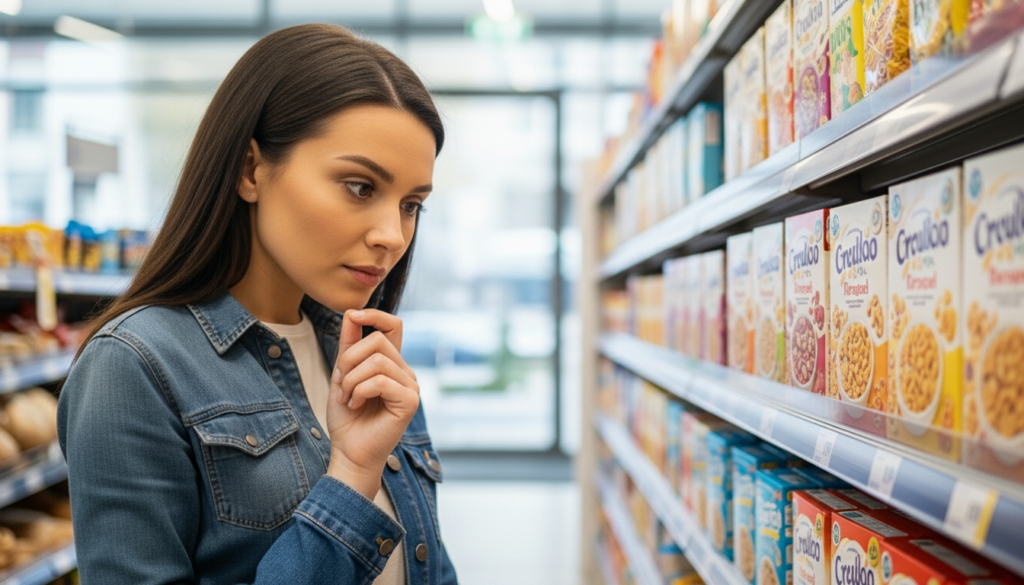
To boost the flavor and shelf life, colorful breakfast cereals in the United States of America are often artificially colored, preserved, and flavored. Some of the countries have laws that control or prohibit some of the additives in these cereals; this implies that some of the American brands may have to modify their recipes before they can legally be sold in other countries.